Leading AI Companies in 2020
In 2020, artificial intelligence continued to transform industries by enhancing efficiency and enabling new capabilities. Several companies stood out as leaders in the AI sector, driving innovation and shaping the future of technology. Here are some of the most influential AI companies in 2020:
Google AI
Google has long been at the forefront of AI research and development. Through its dedicated division, Google AI, the company has made significant advancements in machine learning, natural language processing, and computer vision. Google’s AI algorithms power a wide range of applications, from search engine optimization to autonomous vehicles.
IBM Watson
IBM Watson is renowned for its cognitive computing capabilities. In 2020, IBM continued to leverage Watson’s powerful data analytics and machine learning tools across various sectors such as healthcare, finance, and customer service. Watson’s ability to process vast amounts of data and provide actionable insights remains unparalleled.
Microsoft Azure AI
Microsoft’s Azure AI platform offers a comprehensive suite of services that enable businesses to build intelligent applications. With tools for speech recognition, image analysis, and predictive analytics, Azure AI empowers organizations to harness the power of artificial intelligence for improved decision-making and operational efficiency.
Amazon Web Services (AWS) Machine Learning
AWS provides a robust set of machine learning services that cater to developers and businesses looking to integrate AI into their operations. From pre-trained models to custom algorithm development, AWS Machine Learning simplifies the deployment of scalable AI solutions across various industries.
OpenAI
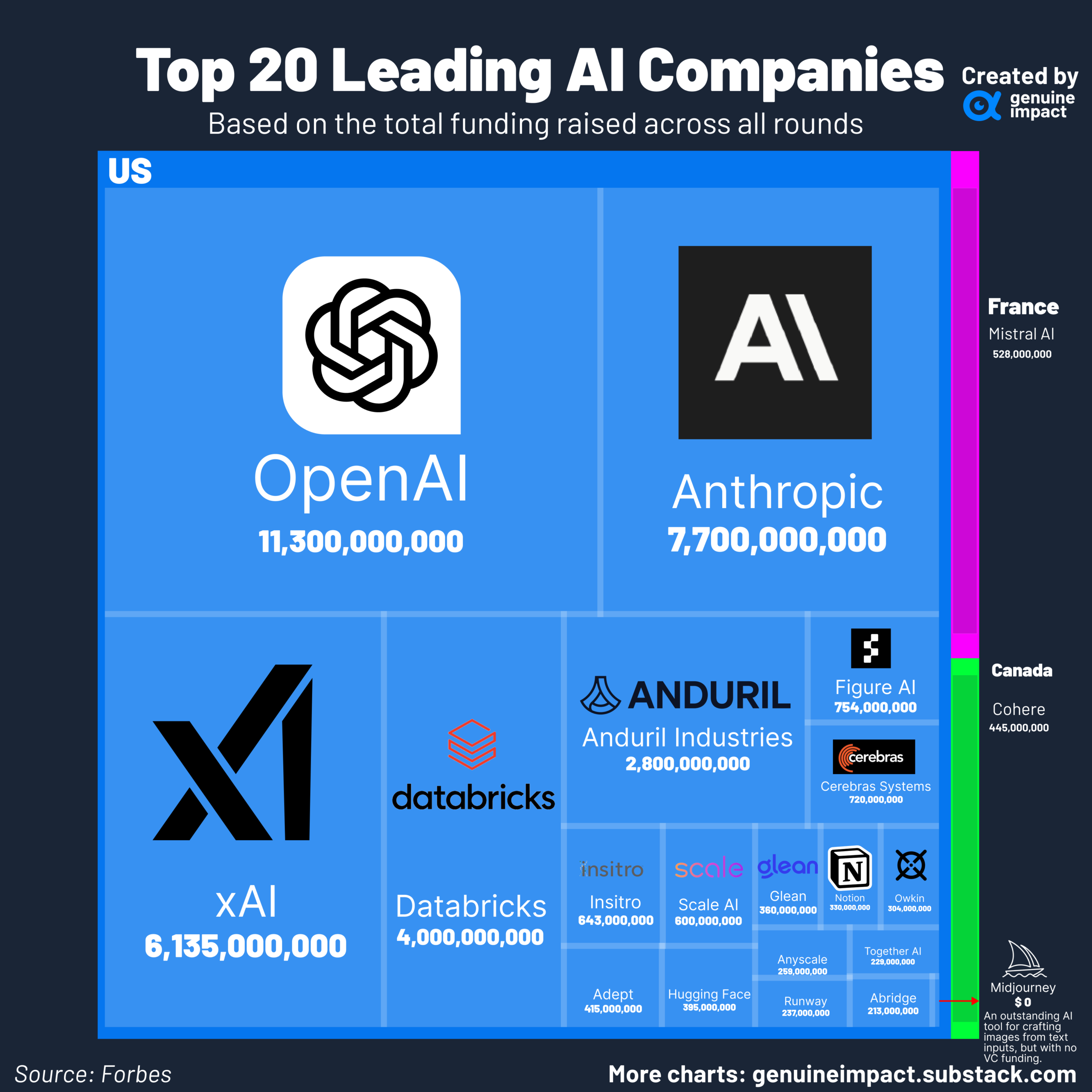
OpenAI is a research organization committed to ensuring that artificial general intelligence (AGI) benefits all of humanity. Known for developing cutting-edge models like GPT-3 in 2020, OpenAI has made significant contributions to natural language processing and continues to push the boundaries of what is possible with AI.
The Impact on Industries
The advancements made by these leading companies have had profound effects on numerous industries:
- Healthcare: Improved diagnostic tools and personalized treatment plans powered by AI have enhanced patient care.
- Finance: Enhanced fraud detection systems and automated trading platforms have increased security and efficiency.
- E-commerce: Personalized recommendations engines have transformed customer experiences online.
- Manufacturing: Predictive maintenance powered by machine learning has optimized production processes.
The Future Outlook
The innovations introduced by these leading companies in 2020 set the stage for even greater advancements in artificial intelligence technology. As these organizations continue their research and development efforts, we can expect further integration of AI into everyday life—improving productivity, enhancing experiences, and solving complex global challenges.
The impact of these leading companies will likely continue well beyond 2020 as they shape the future landscape of technology with their groundbreaking work in artificial intelligence.
Top Questions About Leading AI Companies and Investment Opportunities in 2020
- What are the best AI stocks to buy right now?
- What AI company did Jeff Bezos invest in?
- What are the big 5 in AI?
- What company is leading in AI?
- What are the best 5 AI stocks to buy?
- What are the top 10 AI companies?
What are the best AI stocks to buy right now?
Investing in AI stocks can be a promising opportunity, given the rapid advancements and widespread adoption of artificial intelligence technologies. As of 2020, some of the top AI companies that investors often consider include tech giants like Alphabet (Google’s parent company), Microsoft, and Amazon, all of which are heavily investing in AI research and applications. NVIDIA is another popular choice due to its leading role in providing GPUs essential for AI computations. Additionally, IBM offers robust AI solutions with its Watson platform, making it an attractive option for those looking to invest in AI-driven innovation. However, it’s crucial for investors to conduct thorough research and consider market trends, company performance, and potential risks before making investment decisions.
What AI company did Jeff Bezos invest in?
In 2020, Jeff Bezos, the founder of Amazon, invested in an AI company called Beacon. Beacon is a UK-based logistics startup that leverages artificial intelligence to optimize supply chain operations and improve freight forwarding processes. The company aims to enhance transparency and efficiency in global trade by using AI-driven insights to streamline logistics and reduce costs. Bezos’s investment in Beacon highlights his interest in supporting innovative technologies that have the potential to transform traditional industries through the power of AI.
What are the big 5 in AI?
In 2020, the “Big 5” in AI referred to the major technology companies that were leading the charge in artificial intelligence research and development: Google, Amazon, Microsoft, Facebook, and IBM. These companies were at the forefront of AI innovation, each bringing unique strengths to the table. Google was known for its advancements in machine learning and natural language processing through projects like Google AI and DeepMind. Amazon’s focus was on integrating AI into its vast e-commerce platform via AWS Machine Learning services. Microsoft offered comprehensive AI tools through Azure, empowering businesses with cloud-based solutions. Facebook leveraged AI to enhance social media experiences and improve content moderation. Meanwhile, IBM’s Watson continued to make strides in cognitive computing across various sectors such as healthcare and finance. Together, these companies significantly influenced the direction of AI technology and its applications across different industries.
What company is leading in AI?
In 2020, several companies emerged as leaders in the field of artificial intelligence, each making significant contributions to the advancement of AI technologies. Among these, Google stood out for its extensive research and development efforts through Google AI, which focused on machine learning, natural language processing, and computer vision. IBM Watson also maintained its leadership position by leveraging its cognitive computing capabilities across various industries such as healthcare and finance. Microsoft, with its Azure AI platform, provided a comprehensive suite of services that enabled businesses to build intelligent applications. Additionally, Amazon Web Services (AWS) offered robust machine learning services that catered to developers and enterprises looking to integrate AI into their operations. OpenAI made headlines with its groundbreaking work in natural language processing, particularly with the development of GPT-3. Each of these companies played a pivotal role in driving innovation and shaping the future of AI in 2020.
What are the best 5 AI stocks to buy?
In 2020, the AI sector attracted significant investor interest due to its transformative potential across various industries. Five AI stocks that were considered strong investment opportunities included NVIDIA, Alphabet (Google’s parent company), Microsoft, Amazon, and IBM. NVIDIA was highly regarded for its advanced graphics processing units (GPUs), which are crucial for AI computations and machine learning applications. Alphabet remained a leader in AI research and development through Google AI, making it a compelling choice for investors. Microsoft’s Azure AI platform continued to expand its cloud-based services, driving growth and innovation. Amazon’s AWS Machine Learning services positioned it as a key player in the cloud computing space with robust AI capabilities. Lastly, IBM’s Watson offered powerful cognitive computing solutions that appealed to enterprises seeking advanced analytics and decision-making tools. These companies were not only leaders in AI technology but also demonstrated strong market performance and potential for future growth.
What are the top 10 AI companies?
In 2020, the landscape of artificial intelligence was dominated by several key players who led the industry with their innovative technologies and solutions. The top 10 AI companies included giants like Google, with its advanced AI research and applications across various platforms; IBM, renowned for its Watson AI system that powers numerous industries; and Microsoft, which offers comprehensive AI services through its Azure platform. Amazon also played a significant role with its AWS Machine Learning services that cater to a broad range of business needs. Other notable companies were OpenAI, known for its groundbreaking work in natural language processing; Facebook, which utilized AI to enhance social networking experiences; NVIDIA, providing powerful hardware essential for AI computations; Baidu, a leader in speech recognition and autonomous driving technologies; Salesforce, integrating AI into customer relationship management systems; and Intel, which developed specialized chips to accelerate machine learning processes. These companies not only shaped the AI industry in 2020 but also set the stage for future advancements.