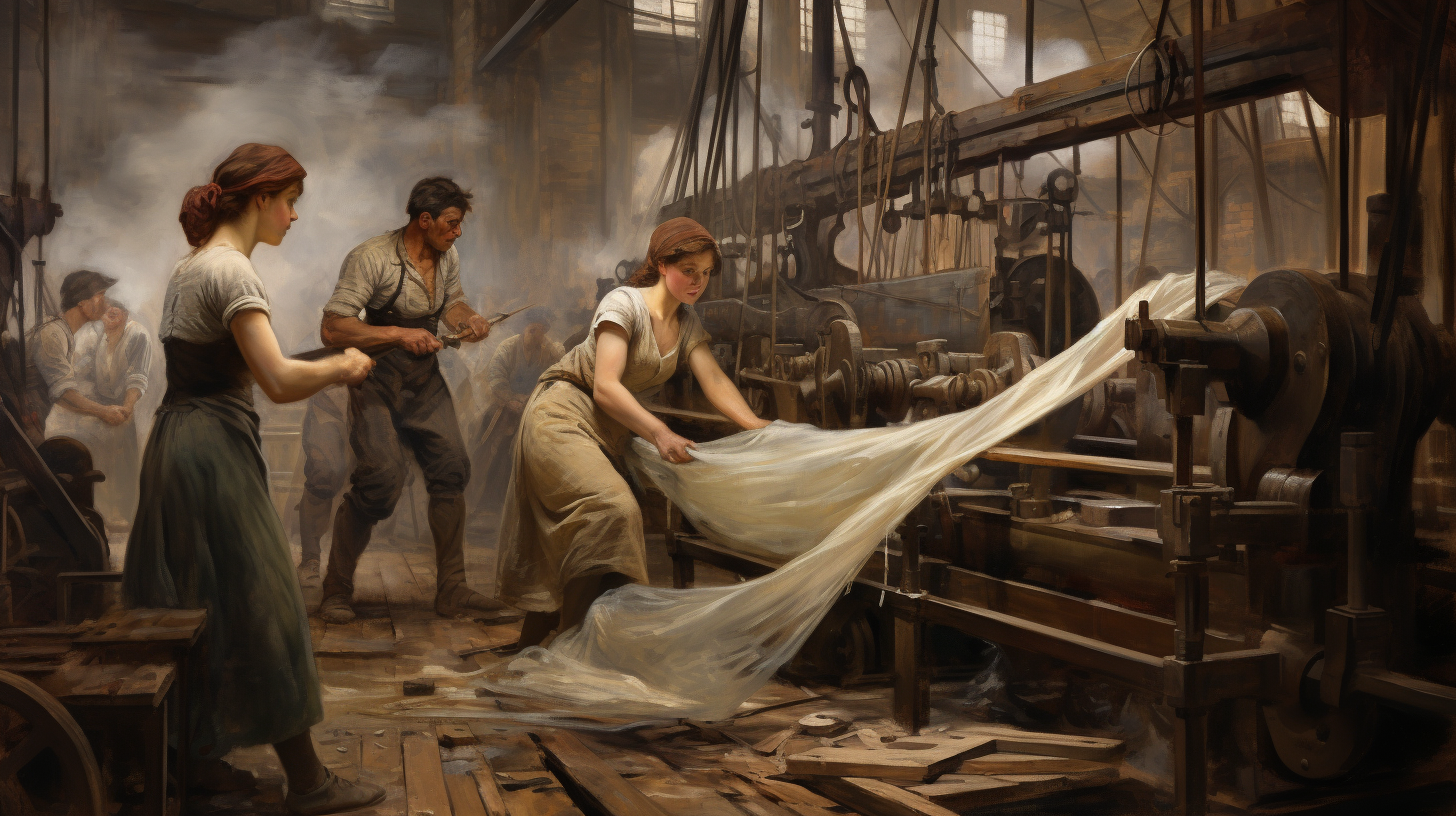
The Rise of AI-Generated Artwork: A New Era in Creativity
In recent years, artificial intelligence has made significant strides in various fields, from healthcare to finance. One of the most intriguing developments is its application in the world of art. AI-generated artwork is not only challenging traditional notions of creativity but also opening up new possibilities for artists and art enthusiasts alike.
What is AI-Generated Artwork?
AI-generated artwork refers to pieces created with the assistance or complete creation by artificial intelligence algorithms. These algorithms are trained on vast datasets of existing artworks, learning styles, techniques, and patterns. The result is a machine capable of producing original pieces that mimic or even innovate upon human artistic expression.
The Technology Behind It
At the heart of AI-generated art are neural networks, particularly Generative Adversarial Networks (GANs). GANs consist of two components: a generator and a discriminator. The generator creates images, while the discriminator evaluates them against real artworks. Through this adversarial process, the generator improves its output over time, leading to increasingly sophisticated and realistic artworks.
Impact on the Art World
The introduction of AI into art has sparked both excitement and controversy. On one hand, it democratizes art creation by allowing individuals without traditional artistic skills to produce compelling works. On the other hand, it raises questions about authorship and originality. Can an artwork truly be considered “art” if created by a machine? And who owns the rights to these creations—the programmer or the AI itself?
Notable Examples
Several high-profile examples have brought AI-generated art into the spotlight:
- “Portrait of Edmond de Belamy”: Created by Paris-based collective Obvious using GANs, this piece was auctioned at Christie’s for $432,500 in 2018.
- DeepArt: This application uses neural networks to transform photos into paintings styled after famous artists like Van Gogh or Picasso.
- AICAN: Developed by Rutgers University professor Ahmed Elgammal, AICAN creates original artworks that have been exhibited worldwide.
The Future of AI in Art
The future of AI-generated artwork is promising yet uncertain. As technology continues to advance, we may see even more sophisticated creations that challenge our understanding of creativity itself. Artists might use AI as a tool for inspiration or collaboration rather than competition.
Ultimately, AI-generated art invites us to reconsider what it means to create and appreciate beauty in an increasingly digital world. As we navigate this new terrain, one thing is certain: the conversation around technology and creativity is just beginning.
5 Ways AI-Generated Art is Transforming Creativity: From Accessibility to Innovation
- 1. Democratization of Art
- 2. Innovation and Experimentation
- 3. Efficiency and Speed
- 4. Accessible Tools
- 5. Inspiration and Collaboration
Challenges of AI-Generated Art: Emotional Depth, Originality, Ethics, and Creativity
1. Democratization of Art
AI-generated artwork significantly contributes to the democratization of art by enabling individuals who may not possess traditional artistic skills to create compelling and visually stunning pieces. Through user-friendly platforms and applications powered by artificial intelligence, anyone can experiment with colors, styles, and compositions without needing formal training in art techniques. This accessibility opens up creative expression to a broader audience, allowing more people to participate in the art-making process. As a result, diverse voices and perspectives can be represented in the art world, fostering inclusivity and innovation while challenging conventional boundaries of creativity.
2. Innovation and Experimentation
AI-generated artwork offers a compelling advantage in the realm of innovation and experimentation. By harnessing the power of artificial intelligence, artists can delve into uncharted territories of creativity, exploring unique styles and techniques that may have eluded human artists. AI’s ability to analyze vast datasets and generate novel interpretations enables creators to push the boundaries of traditional art forms, fostering a climate of exploration and discovery. This pro of AI-generated artwork not only challenges conventional artistic norms but also inspires artists to embrace unconventional approaches, leading to a rich tapestry of diverse and groundbreaking artistic expressions.
3. Efficiency and Speed
One significant advantage of AI-generated artwork is its efficiency and speed. Unlike human artists, artificial intelligence can produce artworks at a considerably faster pace, facilitating rapid prototyping and iteration processes. This accelerated creation timeline allows for swift exploration of various styles, techniques, and concepts, leading to quicker artistic development and experimentation. By harnessing the power of AI, artists can streamline their workflow and bring their creative visions to life in a fraction of the time it would take through traditional methods.
4. Accessible Tools
AI-generated artwork offers the significant advantage of accessibility through increasingly user-friendly tools. As these tools become more intuitive, they lower the barriers to entry for individuals interested in art creation, regardless of their technical or artistic background. This democratization of art allows a broader audience to explore their creativity and produce unique pieces without needing extensive training in traditional art techniques. With simple interfaces and guided processes, anyone can experiment with styles and forms that were once reserved for skilled artists, fostering a more inclusive and diverse artistic community. This accessibility not only empowers individuals to express themselves creatively but also encourages innovation by bringing fresh perspectives into the art world.
5. Inspiration and Collaboration
AI-generated artwork offers a unique advantage in inspiring and facilitating collaboration between human artists and artificial intelligence. By showcasing innovative styles, techniques, and patterns, AI-generated art can ignite fresh creativity in human artists, pushing boundaries and expanding artistic horizons. This fusion of human imagination with machine-generated concepts opens up exciting possibilities for collaborative projects where the strengths of both parties can be leveraged to create truly groundbreaking works of art.
Lack of Emotional Depth
One of the significant criticisms of AI-generated artwork is its potential lack of emotional depth and personal touch. Human artists infuse their creations with emotions, experiences, and cultural contexts that resonate deeply with viewers. This personal connection often evokes empathy, nostalgia, or introspection, elements that are challenging for AI to replicate. While AI can analyze and mimic artistic styles, it doesn’t possess consciousness or emotions, which means it might miss the nuanced subtleties that give art its profound impact. As a result, some argue that AI-generated pieces may feel more mechanical or detached compared to those crafted by human hands, lacking the soul that often makes art so compelling and meaningful.
Questionable Originality
One of the primary criticisms of AI-generated artwork is its questionable originality. Critics argue that these pieces often resemble a mere replication of existing artistic styles rather than showcasing true innovation. Since AI algorithms are trained on extensive datasets of pre-existing artworks, they tend to produce creations that echo the patterns, techniques, and aesthetics found within those datasets. This reliance on established styles raises concerns about whether AI can genuinely contribute something novel to the art world or if it simply rehashes what human artists have already accomplished. As a result, some question the value and authenticity of AI-generated art, debating whether it can ever truly capture the essence of original human creativity.
Ethical Concerns
The integration of AI in art brings forth significant ethical concerns, particularly regarding authorship and ownership. When a machine generates artwork, it challenges the traditional notion of the artist as an individual creator with unique vision and intent. This raises questions about who should be credited for the work—the programmer who designed the algorithm, the AI itself, or perhaps both. Additionally, there’s the issue of ownership rights: if an AI creates a piece of art, does it belong to the developer or to anyone who uses the AI tool? Furthermore, as AI-generated art becomes more prevalent, there is a fear that it may devalue human creativity by flooding the market with easily produced artworks. This could lead to a diminished appreciation for pieces crafted through human skill and emotional insight, potentially impacting artists’ livelihoods and altering how society values artistic expression.
Limitations in Creativity
AI-generated artwork, despite its ability to produce visually stunning pieces, often faces limitations in creativity. One significant drawback is its struggle to convey complex themes or narratives that demand nuanced human interpretation. While AI can analyze vast amounts of data and mimic artistic styles, it lacks the emotional depth and personal experiences that human artists bring to their work. This can result in artworks that are technically proficient but may fall short in evoking the profound emotions or intricate stories that resonate deeply with audiences. Consequently, AI-generated art might miss the subtle layers of meaning and context that only a human touch can provide, highlighting the irreplaceable role of human creativity in art.