The Future of Robotics and Artificial Intelligence
The fields of robotics and artificial intelligence (AI) are rapidly evolving, promising to transform industries, economies, and daily life in unprecedented ways. As technology advances, the integration of robotics and AI is expected to bring about significant changes that will reshape how humans interact with machines and how machines interact with the world.
Advancements in Robotics
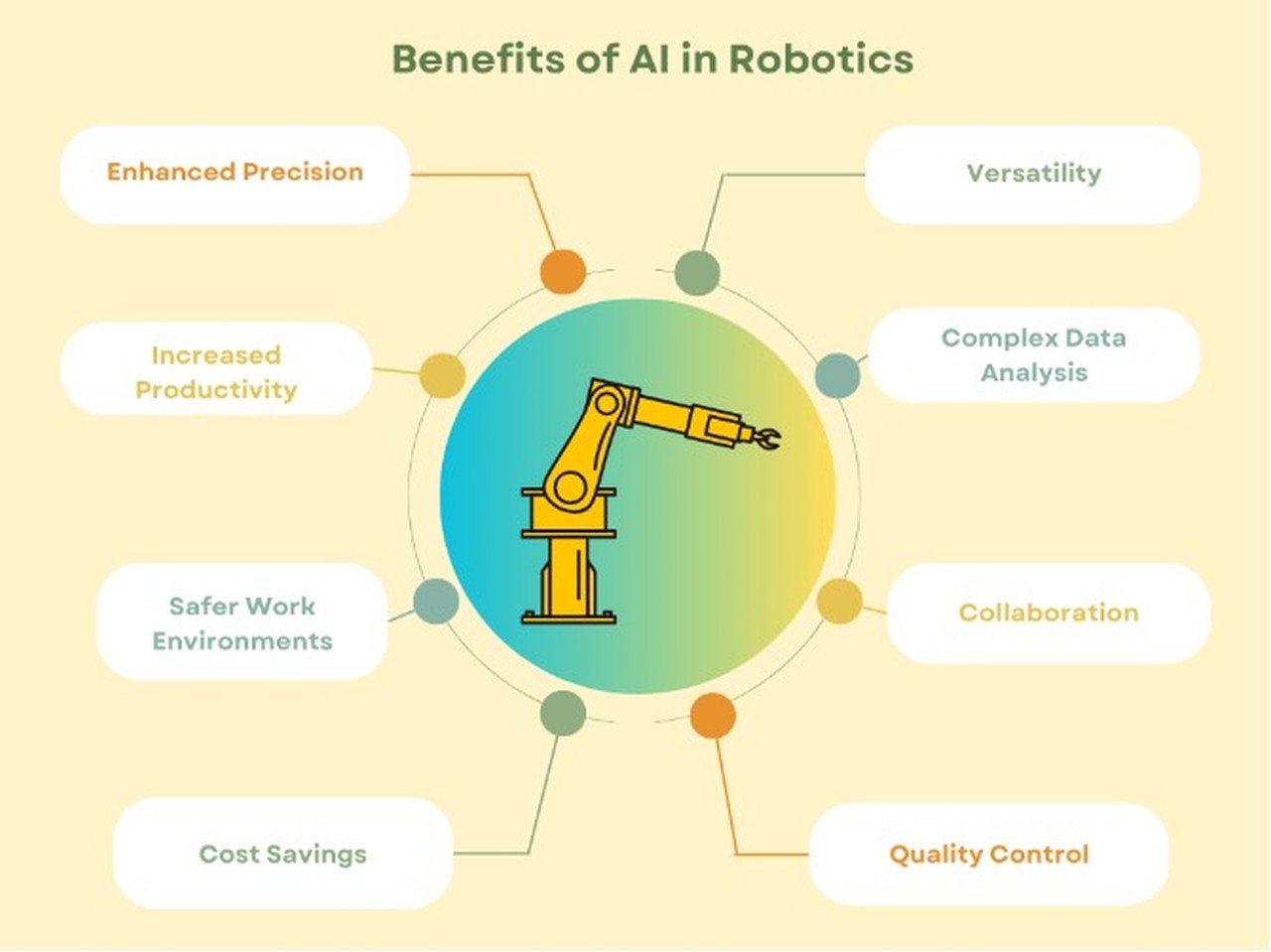
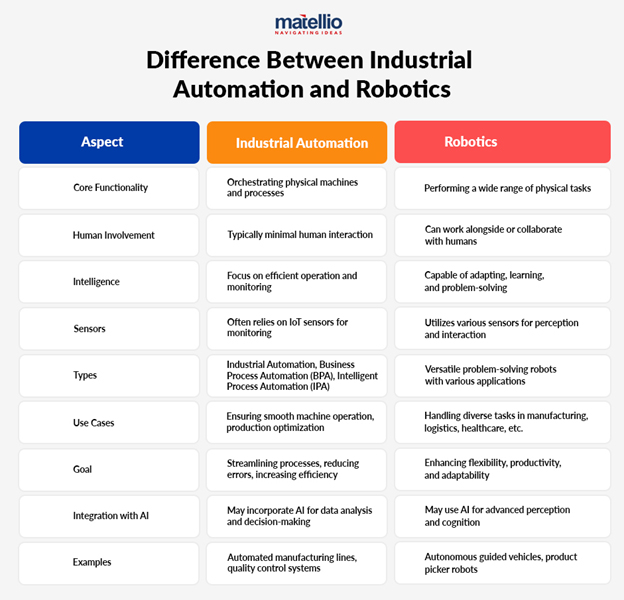
Robotics technology is advancing at a remarkable pace. Modern robots are equipped with sophisticated sensors, enhanced processing power, and advanced algorithms that enable them to perform complex tasks with precision. From industrial robots that streamline manufacturing processes to service robots assisting in healthcare settings, the applications are vast and varied.
One key area of development is autonomous vehicles. Self-driving cars are being tested on roads across the globe, promising safer and more efficient transportation systems. Similarly, drones are being used for delivery services, surveillance, and even in agriculture to monitor crops.
The Role of Artificial Intelligence
Artificial intelligence is a critical component driving the capabilities of modern robotics. AI enables machines to learn from data, adapt to new situations, and make decisions autonomously. Machine learning algorithms allow robots to improve their performance over time without explicit programming.
In addition to enhancing robotic functionalities, AI is also revolutionizing fields such as natural language processing (NLP), computer vision, and predictive analytics. Virtual assistants like Siri and Alexa demonstrate how AI can understand human language and provide relevant responses.
Impact on Various Industries
The integration of robotics and AI is set to impact numerous industries:
- Healthcare: Robots assist surgeons in performing delicate operations with greater precision. AI algorithms analyze medical images for faster diagnosis.
- Manufacturing: Automation increases efficiency on production lines while reducing human error.
- Agriculture: Robots equipped with AI can plant seeds, monitor crop health, and harvest produce efficiently.
- Retail: Automated checkout systems reduce wait times for customers while robots manage inventory stocking.
Challenges Ahead
Despite the potential benefits, there are challenges associated with the rise of robotics and AI. Ethical considerations regarding job displacement arise as automation becomes more prevalent in workplaces traditionally dominated by human labor. Ensuring data privacy and security also remains a priority as intelligent systems handle sensitive information.
The development of responsible AI technologies that align with societal values is essential for fostering trust between humans and machines. Policymakers must work collaboratively with industry leaders to establish regulations that promote innovation while safeguarding public interests.
The Road Ahead
The future holds exciting possibilities for robotics and artificial intelligence as they continue advancing together hand-in-hand toward creating smarter environments capable of addressing complex global challenges effectively—whether it be climate change mitigation or improving quality-of-life metrics worldwide through enhanced accessibility initiatives powered by intelligent automation solutions tailored specifically towards individual needs/preferences alike!
The journey may be filled with obstacles but ultimately holds promise if navigated wisely through collaboration among stakeholders across disciplines united under common goals aimed at harnessing technology’s full potential responsibly moving forward into uncharted territories yet undiscovered today!
Exploring the Future: How Robotics and AI Will Transform Jobs and Industries
- What are 3 jobs that robots will do in the future?
- What is the future of robotics and AI?
- What is the future of AI and robotics?
- Why robotics is the future?
- What jobs will AI and robots replace?
What are 3 jobs that robots will do in the future?
In the future, robots are expected to take on a variety of roles across different industries, transforming the job landscape. One area where robots will likely excel is in logistics and delivery services, where they can efficiently manage warehouse operations and deliver packages using autonomous vehicles and drones. In agriculture, robots equipped with advanced AI and sensors will handle tasks such as planting, monitoring crop health, and harvesting, increasing productivity while reducing the need for manual labor. Additionally, in the healthcare sector, robots will assist medical professionals by performing routine tasks such as patient monitoring, medication dispensing, and even surgical procedures with precision and consistency. These advancements will not only increase efficiency but also allow human workers to focus on more complex and creative aspects of their jobs.
What is the future of robotics and AI?
The future of robotics and artificial intelligence (AI) is poised to revolutionize various aspects of human life, driving significant advancements across multiple industries. In the coming years, these technologies are expected to become increasingly integrated into everyday activities, enhancing efficiency and productivity. Robotics will likely see expanded roles in sectors such as healthcare, where surgical robots and AI-driven diagnostic tools can improve patient outcomes. In manufacturing, autonomous robots will streamline production processes, reducing costs and increasing output. AI’s capabilities in data analysis and decision-making will continue to evolve, offering more personalized experiences in fields like retail and entertainment. However, as these technologies advance, ethical considerations regarding privacy, security, and employment must be addressed to ensure that the benefits are equitably distributed. Overall, the future of robotics and AI holds immense potential for innovation and societal transformation if guided by responsible development practices.
What is the future of AI and robotics?
The future of AI and robotics is poised to revolutionize numerous aspects of daily life, industry, and technology. As advancements continue, AI will become increasingly integrated into robotics, enabling machines to perform tasks with greater autonomy and intelligence. This synergy is expected to drive innovation in sectors such as healthcare, where robots could assist in surgeries or patient care; transportation, with the proliferation of autonomous vehicles; and manufacturing, where automation will enhance efficiency and precision. Moreover, AI-powered robots are likely to play a significant role in addressing global challenges like climate change through environmental monitoring and sustainable practices. However, this future also presents challenges related to ethical considerations, job displacement, and the need for robust regulatory frameworks to ensure responsible development. Overall, the continued evolution of AI and robotics promises a transformative impact on society while requiring careful navigation of its implications.
Why robotics is the future?
Robotics is considered the future due to its transformative potential across various industries and aspects of daily life. The integration of advanced technologies, such as artificial intelligence and machine learning, into robotics systems enables machines to perform tasks with increased efficiency, precision, and autonomy. From enhancing manufacturing processes to revolutionizing healthcare delivery and transportation systems, robotics offers solutions that can streamline operations, improve safety, and drive innovation. As robotics continues to evolve and expand its capabilities, it is poised to play a pivotal role in shaping the future by unlocking new possibilities for automation, productivity, and human-machine interaction.
What jobs will AI and robots replace?
As AI and robotics continue to advance, certain jobs are more susceptible to automation due to their repetitive and routine nature. Positions in manufacturing, such as assembly line workers, are among the most likely to be replaced by robots capable of performing tasks with precision and consistency. In the service industry, roles like cashiers and telemarketers may be supplanted by automated systems and chatbots that can handle transactions and customer interactions efficiently. Additionally, roles in transportation, such as truck drivers, face potential disruption with the rise of autonomous vehicles. However, while some jobs may be replaced, new opportunities are expected to emerge in areas like AI development, robotics maintenance, and other tech-driven fields that require human oversight and creativity. The key will be in adapting workforce skills to align with these technological advancements.