The Use of Artificial Intelligence in Robotics
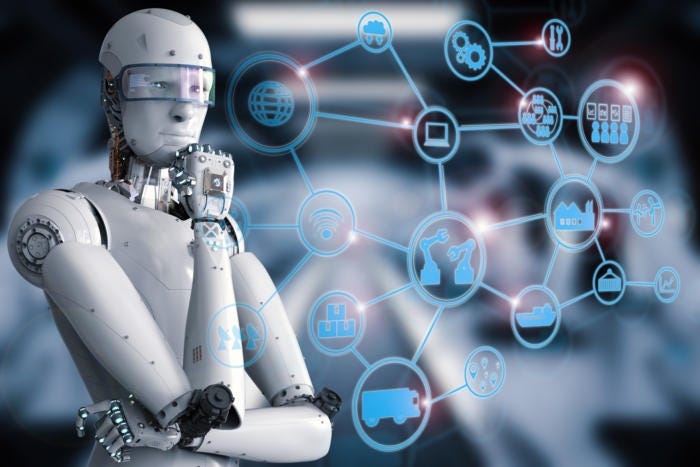
Artificial intelligence (AI) has become a cornerstone in the development and enhancement of robotics, transforming how robots interact with the world and perform tasks. As AI continues to evolve, its integration into robotics is leading to groundbreaking advancements across various industries.
Enhancing Automation
One of the primary uses of AI in robotics is to enhance automation. AI algorithms enable robots to perform complex tasks with minimal human intervention. This capability is particularly beneficial in manufacturing, where robots equipped with AI can assemble products, conduct quality checks, and manage inventory autonomously. The result is increased efficiency and reduced operational costs.
Improving Precision and Accuracy
AI enhances the precision and accuracy of robotic systems. Through machine learning techniques, robots can learn from data and improve their performance over time. For instance, in healthcare, surgical robots use AI to assist surgeons by providing precise movements that reduce the risk of human error during operations.
Enabling Adaptability
A key advantage of incorporating AI in robotics is adaptability. Robots equipped with AI can adapt to new environments and situations by processing data from sensors in real-time. This adaptability is crucial for applications such as autonomous vehicles, where dynamic decision-making is required to navigate safely through traffic.
Facilitating Human-Robot Interaction
AI also plays a significant role in improving human-robot interaction. Natural language processing (NLP) allows robots to understand and respond to human speech, making them more user-friendly. In customer service settings, AI-powered robots can assist customers by answering questions and providing information efficiently.
Driving Innovation Across Industries
The integration of AI into robotics is driving innovation across multiple sectors beyond manufacturing and healthcare. In agriculture, AI-powered drones monitor crop health and optimize resource usage. In logistics, autonomous robots streamline warehouse operations by handling goods with speed and precision.
The Future of Robotics with AI
The future holds exciting possibilities for robotics powered by artificial intelligence. As technologies advance, we can expect even more sophisticated robotic systems capable of performing highly specialized tasks across diverse fields. The synergy between AI and robotics will continue to push boundaries, offering solutions that were once considered science fiction.
In conclusion, the use of artificial intelligence in robotics represents a transformative force that enhances capabilities across various domains. With continued research and development, the potential applications are limitless—promising a future where intelligent machines work alongside humans to improve efficiency, safety, and quality of life.
Exploring the Integration and Impact of Artificial Intelligence in Robotics: Key Questions Answered
- How is artificial intelligence integrated into robotics?
- What are the benefits of using artificial intelligence in robotics?
- Can robots learn and adapt through artificial intelligence?
- How does artificial intelligence improve precision and accuracy in robotic systems?
- What industries are leveraging artificial intelligence in robotics?
How is artificial intelligence integrated into robotics?
Artificial intelligence is integrated into robotics through the use of advanced algorithms and machine learning techniques that enable robots to process data, learn from experiences, and make decisions autonomously. This integration involves equipping robots with sensors and cameras to gather real-time data from their environment, which AI systems then analyze to understand context and predict outcomes. Machine learning models allow these robots to improve their performance over time by identifying patterns and optimizing their actions based on past interactions. Additionally, natural language processing (NLP) enables robots to understand and respond to human commands, enhancing human-robot interaction. By combining AI with robotics, machines become more adaptable, efficient, and capable of performing complex tasks with minimal human intervention.
What are the benefits of using artificial intelligence in robotics?
The benefits of using artificial intelligence in robotics are numerous and transformative, significantly enhancing the capabilities and efficiency of robotic systems. AI enables robots to perform complex tasks with greater precision and accuracy, reducing the likelihood of errors and improving overall productivity. By incorporating machine learning algorithms, robots can learn from data and adapt to new environments or challenges, making them more versatile across various applications. This adaptability is particularly valuable in dynamic settings such as autonomous vehicles or industrial automation. Additionally, AI facilitates improved human-robot interaction through natural language processing, allowing robots to understand and respond to human commands more effectively. Overall, the integration of AI in robotics leads to increased operational efficiency, cost savings, and the ability to tackle tasks that were previously beyond the reach of traditional robotic systems.
Can robots learn and adapt through artificial intelligence?
Yes, robots can learn and adapt through artificial intelligence, thanks to advancements in machine learning and neural networks. AI enables robots to process vast amounts of data, recognize patterns, and make decisions based on past experiences. This capability allows them to improve their performance over time without explicit programming for every scenario. For instance, robots in manufacturing can optimize their operations by learning the most efficient ways to assemble products or manage resources. In dynamic environments, such as autonomous vehicles navigating through traffic, AI allows robots to adapt in real-time to changes and obstacles. As AI technology continues to advance, the ability of robots to learn and adapt will become even more sophisticated, leading to greater autonomy and effectiveness across various applications.
How does artificial intelligence improve precision and accuracy in robotic systems?
Artificial intelligence enhances precision and accuracy in robotic systems by utilizing advanced algorithms and machine learning techniques that allow robots to process vast amounts of data and learn from it. Through AI, robots can analyze patterns, recognize anomalies, and make real-time adjustments to their actions, which significantly reduces errors. For instance, in manufacturing, AI enables robots to perform intricate assembly tasks with consistent accuracy, while in healthcare, AI-driven surgical robots can execute precise movements that minimize the risk of human error during complex procedures. By continuously learning and adapting to new information, AI empowers robotic systems to achieve higher levels of precision and accuracy than traditional automation methods.
What industries are leveraging artificial intelligence in robotics?
Artificial intelligence in robotics is being leveraged across a wide range of industries, each benefiting from the enhanced capabilities and efficiencies that AI brings. In manufacturing, AI-powered robots automate assembly lines, perform quality control, and manage logistics with precision and speed. The healthcare sector utilizes robotic surgical assistants that rely on AI for improved accuracy during complex procedures, while also employing robots for patient care and rehabilitation. In agriculture, AI-driven robots are used for tasks such as planting, harvesting, and monitoring crop health to optimize yields. The logistics industry benefits from autonomous robots that streamline warehouse operations and manage inventory efficiently. Additionally, the automotive sector is advancing with the development of self-driving cars that use AI to navigate roads safely. Even in customer service, AI-infused robots are enhancing user experiences by providing information and assistance through natural language processing. As these technologies continue to evolve, more industries are expected to adopt AI in robotics to drive innovation and improve operational efficiency.