Exploring the World of Artificial Intelligence Devices
Artificial intelligence (AI) has rapidly transformed from a futuristic concept into a tangible reality, impacting various aspects of daily life. AI devices, equipped with advanced algorithms and machine learning capabilities, are now integral to many industries and households. This article delves into the fascinating world of AI devices and their growing influence on our lives.
What Are AI Devices?
AI devices are systems or gadgets that use artificial intelligence technologies to perform tasks that typically require human intelligence. These tasks can include speech recognition, decision-making, visual perception, language translation, and more. By leveraging complex algorithms and vast amounts of data, AI devices can learn from their interactions and improve over time.
Types of AI Devices
- Smart Assistants: Devices like Amazon’s Alexa, Google Assistant, and Apple’s Siri have become household staples. These voice-activated assistants can manage schedules, control smart home devices, provide information, and much more.
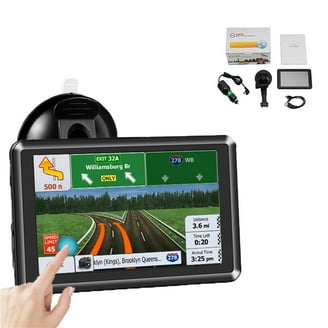
- Autonomous Vehicles: Self-driving cars use AI to navigate roads safely by processing data from sensors and cameras to make real-time driving decisions.
- Healthcare Robots: In the medical field, AI-powered robots assist in surgeries or provide patient care by analyzing data for diagnostics and treatment plans.
- AI Cameras: Security systems now incorporate AI to enhance surveillance by recognizing faces or detecting unusual activities automatically.
The Impact on Everyday Life
The integration of AI into everyday devices has significantly enhanced convenience and efficiency. For instance, smart home technology allows users to control lighting, temperature, and security systems remotely via smartphone apps. In workplaces, AI tools streamline operations by automating repetitive tasks such as data entry or customer inquiries.
The Future of AI Devices
The future holds exciting potential for further advancements in AI technology. As machine learning algorithms become more sophisticated and computing power increases, we can expect even more innovative applications across various sectors. From personalized healthcare solutions to smarter urban planning with IoT integration—AI devices are poised to revolutionize how we interact with the world around us.
Challenges and Considerations
Despite their benefits, the rise of AI devices also presents challenges such as privacy concerns and ethical considerations regarding data usage. It’s crucial for developers to address these issues responsibly while ensuring transparency in how these technologies operate.
Conclusion
The era of artificial intelligence is here—and it’s reshaping our lives in remarkable ways through intelligent devices that offer unprecedented possibilities for innovation across multiple domains. As technology continues evolving at an unprecedented pace—embracing this transformative wave will undoubtedly lead us towards a smarter future filled with endless opportunities!
Unlocking the Potential of AI: 6 Key Benefits of Artificial Intelligence Devices
- Enhanced Efficiency
- Improved Accuracy
- Personalization
- 24/7 Availability
- Predictive Capabilities
- Innovative Solutions
Five Key Concerns About Artificial Intelligence Devices: Privacy, Connectivity, Jobs, Ethics, and Security
Enhanced Efficiency
AI devices offer the significant advantage of enhanced efficiency through task automation, ultimately leading to increased productivity and time savings. By leveraging advanced algorithms and machine learning capabilities, these devices can handle repetitive tasks with precision and speed, allowing individuals and businesses to focus on more complex or strategic activities. This automation not only streamlines processes but also reduces the likelihood of errors, resulting in improved overall efficiency and effectiveness in various tasks and operations.
Improved Accuracy
AI devices offer the significant advantage of improved accuracy, driven by their ability to perform complex calculations and analyses with precision. Utilizing advanced algorithms, these devices can process vast amounts of data quickly and efficiently, minimizing the risk of human error. This capability is particularly beneficial in fields such as healthcare, where AI can analyze medical images or patient data to assist in accurate diagnoses and treatment plans. In finance, AI systems enhance decision-making by accurately predicting market trends based on comprehensive data analysis. Overall, the precision of AI devices leads to more reliable outcomes across various industries, enhancing productivity and effectiveness.
Personalization
One of the standout advantages of artificial intelligence devices is their ability to offer personalization by learning and adapting to user preferences. Through continuous interaction and data analysis, AI devices can tailor their responses and actions to align with individual user habits and needs. For example, a smart thermostat might learn a household’s daily routine and adjust the temperature automatically for optimal comfort and energy efficiency. Similarly, AI-powered streaming services can recommend content based on viewing history, ensuring that users are always presented with options that match their interests. This level of personalization enhances user experience by making interactions more intuitive, efficient, and enjoyable, ultimately leading to greater satisfaction and engagement.
24/7 Availability
One of the significant advantages of artificial intelligence devices is their ability to operate 24/7 without experiencing fatigue, ensuring constant support and service. Unlike human counterparts, AI-powered systems do not require breaks, sleep, or downtime, allowing them to function continuously. This round-the-clock availability is especially beneficial in industries such as customer service, healthcare, and security, where uninterrupted operations are crucial. For instance, AI chatbots can handle customer inquiries at any hour, providing immediate assistance and improving overall satisfaction. In healthcare settings, AI systems can monitor patient data in real-time and alert medical professionals to any changes that require attention. This continuous operation enhances efficiency and reliability across various sectors, making AI devices indispensable in today’s fast-paced world.
Predictive Capabilities
One of the significant advantages of artificial intelligence devices is their predictive capabilities, which allow them to anticipate trends or outcomes by analyzing large sets of data. This ability is particularly valuable in decision-making processes across various industries. For instance, in healthcare, AI can predict patient health trends and potential risks, enabling proactive treatment plans. In finance, AI devices analyze market data to forecast stock movements or economic shifts, aiding investors in making informed choices. By leveraging these predictive insights, businesses can optimize operations, reduce risks, and capitalize on emerging opportunities with greater confidence and precision.
Innovative Solutions
Artificial intelligence devices are at the forefront of driving innovation by introducing groundbreaking solutions to complex challenges and enhancing existing technologies. These devices leverage advanced algorithms and machine learning to analyze vast amounts of data, identify patterns, and provide insights that were previously unattainable. By doing so, AI devices enable industries to optimize processes, create more efficient systems, and develop products that meet evolving consumer needs. Whether it’s revolutionizing healthcare with personalized treatment plans or transforming transportation with autonomous vehicles, AI-powered innovations are paving the way for a future where technology seamlessly integrates into everyday life, offering smarter and more effective solutions across various domains.
Privacy Concerns
One significant concern surrounding artificial intelligence devices is the issue of privacy. These devices frequently collect and analyze vast amounts of personal data to function effectively, such as user preferences, voice recordings, and location information. This data collection raises critical questions about how the information is used, stored, and shared. Without stringent safeguards and transparency from companies, there is a risk that personal data could be misused or accessed by unauthorized parties. This potential for privacy breaches underscores the need for robust regulations and ethical standards to ensure that users’ personal information remains secure and their privacy rights are respected.
Reliance on Connectivity
One significant drawback of artificial intelligence devices is their reliance on stable internet connectivity to function optimally. Many AI-driven gadgets, such as smart assistants and IoT devices, depend on cloud-based services to process data and deliver accurate results. In areas with poor or unreliable internet connections, these devices may experience delays or function inefficiently, reducing their overall effectiveness. This reliance on connectivity can be particularly problematic in remote or underserved regions where access to high-speed internet is limited. As a result, users in such areas may find it challenging to fully benefit from the capabilities of AI technology, highlighting a gap in accessibility that needs addressing as AI continues to advance.
Job Displacement
One of the significant concerns surrounding artificial intelligence devices is the potential for job displacement. As AI continues to advance, automation becomes more prevalent across various industries, leading machines to perform tasks traditionally handled by human workers. This shift can result in job losses, particularly in sectors that rely heavily on routine or manual labor. While AI can enhance efficiency and productivity, it also poses challenges for the workforce as employees may need to adapt by acquiring new skills or transitioning to different roles. Addressing this issue requires proactive measures such as reskilling programs and policies that support workers affected by technological advancements.
Ethical Dilemmas
One significant con of artificial intelligence devices is the ethical dilemmas they present, particularly when AI algorithms exhibit biases or make decisions with moral implications. For instance, in the realm of autonomous vehicles, these machines are sometimes required to make split-second decisions that could have life-or-death consequences. Such scenarios raise questions about how these algorithms are programmed to prioritize certain outcomes over others and whether they inadvertently reflect the biases of their developers. These ethical concerns underscore the need for rigorous oversight and transparent development processes to ensure that AI systems operate fairly and justly, minimizing harm while maximizing societal benefit.
Security Risks
Artificial intelligence devices, while offering numerous benefits, also introduce significant security risks. One of the primary concerns is the potential for hackers to exploit vulnerabilities within AI systems. These vulnerabilities can be entry points for unauthorized access, allowing malicious actors to manipulate data or disrupt operations. Such breaches could lead to compromised personal information, financial loss, or even threats to physical safety in cases where AI controls critical infrastructure or autonomous vehicles. As AI becomes more integrated into daily life and various industries, it becomes imperative to prioritize robust security measures and continuous monitoring to safeguard against these threats and protect users from potential harm.