The Rise of Indoor Positioning Technology
Indoor positioning technology is revolutionizing the way we navigate and interact with indoor spaces. While GPS has long been the go-to technology for outdoor navigation, it falls short when it comes to providing accurate positioning information within buildings. This is where indoor positioning technology steps in to fill the gap.
How Does It Work?
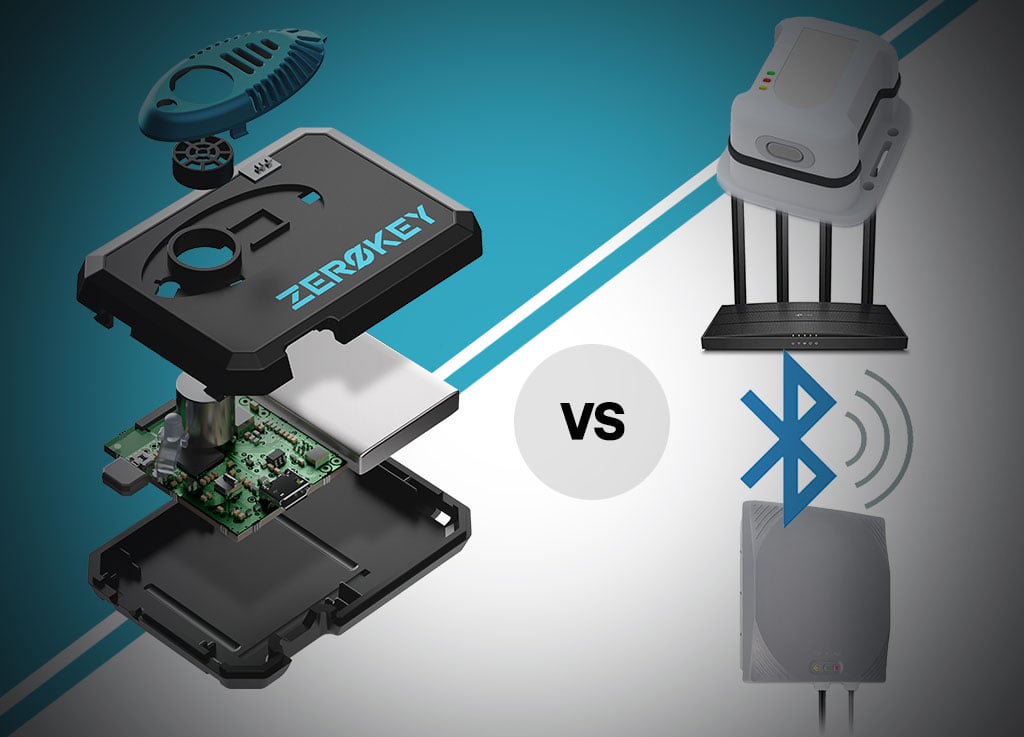
Indoor positioning technology utilizes a variety of methods to determine a user’s location inside a building. These methods can include Wi-Fi signals, Bluetooth beacons, RFID tags, and even sensors that detect changes in magnetic fields. By leveraging these technologies, indoor positioning systems can pinpoint a user’s location with remarkable precision.
Applications of Indoor Positioning
The applications of indoor positioning technology are vast and diverse. In retail environments, it can be used to guide shoppers to specific products or provide personalized promotions based on their location. In healthcare settings, it can help staff locate medical equipment quickly and efficiently. Museums and galleries can use indoor positioning to offer interactive exhibits that provide additional information based on a visitor’s location.
The Future of Indoor Positioning
As indoor positioning technology continues to evolve, we can expect to see even more innovative applications emerge. From improved navigation in complex indoor spaces like airports and shopping malls to enhanced safety features in smart buildings, the possibilities are endless. With the rise of Internet of Things (IoT) devices and smart infrastructure, indoor positioning technology is poised to play a central role in shaping our connected future.
Conclusion
Indoor positioning technology represents a significant advancement in how we interact with indoor environments. By providing accurate location information and enabling new experiences and services, this technology is set to transform various industries and enhance the way we navigate complex indoor spaces.
9 Advantages of Indoor Positioning Technology: Transforming Navigation, Efficiency, and User Experience
- Accurate location tracking within indoor spaces
- Enhanced navigation for users in complex buildings or facilities
- Improved efficiency in retail environments by guiding customers to specific products
- Personalized promotions and recommendations based on user location
- Increased safety features in smart buildings through precise positioning information
- Efficient asset tracking and management in healthcare settings
- Interactive experiences in museums and galleries based on visitor locations
- Seamless integration with Internet of Things (IoT) devices for enhanced connectivity
- Potential for innovative applications across various industries
Key Drawbacks of Indoor Positioning Technology: Privacy, Accuracy, and Cost
Accurate location tracking within indoor spaces
Indoor positioning technology offers the invaluable benefit of precise location tracking within indoor spaces. By leveraging a combination of Wi-Fi signals, Bluetooth beacons, and other advanced methods, this technology enables users to pinpoint their exact locations inside buildings with remarkable accuracy. This level of precision not only enhances navigation experiences in complex indoor environments such as shopping malls, airports, and hospitals but also opens up a wide range of possibilities for personalized services, efficient asset tracking, and improved safety measures. The ability to track locations accurately indoors revolutionizes how we interact with indoor spaces, making way for innovative applications that streamline operations and enhance user experiences.
Enhanced navigation for users in complex buildings or facilities
Indoor positioning technology offers a significant advantage by providing enhanced navigation capabilities for users within complex buildings or facilities. With the ability to pinpoint a user’s location with precision, individuals can easily navigate intricate indoor spaces such as airports, shopping malls, hospitals, and office buildings. This pro not only improves efficiency and saves time for users trying to find their way but also enhances overall user experience by reducing frustration and increasing confidence in their movements within these complex environments.
Improved efficiency in retail environments by guiding customers to specific products
Indoor positioning technology offers a significant advantage in retail environments by enhancing efficiency through guiding customers to specific products. By utilizing this technology, retailers can provide personalized navigation assistance to shoppers, leading them directly to the items they are seeking. This not only streamlines the shopping experience for customers but also increases the likelihood of sales conversions as products are easily located. Ultimately, improved efficiency in retail environments through indoor positioning technology results in a more seamless and satisfying shopping experience for both customers and retailers alike.
Personalized promotions and recommendations based on user location
Indoor positioning technology offers a compelling advantage by enabling personalized promotions and recommendations tailored to a user’s specific location. By leveraging this capability, businesses can deliver targeted offers and suggestions that are highly relevant to the individual’s surroundings. This not only enhances the user experience but also increases the effectiveness of marketing efforts, leading to higher engagement and conversion rates. Whether in retail settings, museums, or entertainment venues, the ability to provide personalized content based on user location showcases the power and potential of indoor positioning technology in creating meaningful interactions with customers.
Increased safety features in smart buildings through precise positioning information
Indoor positioning technology offers a crucial advantage in enhancing safety features within smart buildings by providing precise positioning information. With the ability to pinpoint the exact location of individuals within a building, emergency responders can swiftly and accurately navigate to those in need during critical situations. This level of accuracy not only minimizes response times but also ensures that help reaches the right location promptly, ultimately improving overall safety and security within smart building environments.
Efficient asset tracking and management in healthcare settings
Indoor positioning technology offers a crucial advantage in healthcare settings by enabling efficient asset tracking and management. With the ability to accurately locate medical equipment, such as wheelchairs, IV pumps, and defibrillators, healthcare facilities can streamline operations, reduce search times, and ensure that essential resources are readily available when needed. This not only improves staff productivity but also enhances patient care by minimizing delays and optimizing the use of critical assets throughout the facility.
Interactive experiences in museums and galleries based on visitor locations
Indoor positioning technology offers a compelling advantage in creating interactive experiences within museums and galleries based on visitor locations. By leveraging this technology, cultural institutions can provide a personalized and immersive journey for visitors. Imagine a scenario where as you move through an exhibit, relevant information about the artwork or artifacts automatically appears on your device, enriching your understanding and engagement. This dynamic approach not only enhances the visitor experience but also opens up new possibilities for storytelling and education within cultural spaces.
Seamless integration with Internet of Things (IoT) devices for enhanced connectivity
Indoor positioning technology offers a compelling advantage through its seamless integration with Internet of Things (IoT) devices, facilitating enhanced connectivity within smart environments. By leveraging indoor positioning data, IoT devices can communicate more effectively with each other, enabling automated processes, personalized services, and real-time interactions. This synergy between indoor positioning technology and IoT devices not only enhances connectivity but also paves the way for innovative applications that improve efficiency, convenience, and overall user experience in various settings.
Potential for innovative applications across various industries
The potential for innovative applications of indoor positioning technology across various industries is truly remarkable. From retail and healthcare to museums and smart buildings, the ability to accurately pinpoint a user’s location indoors opens up a world of possibilities. This technology can revolutionize how businesses engage with customers, streamline operations, and enhance overall experiences. By harnessing the power of indoor positioning, industries can unlock new levels of efficiency, personalization, and safety in ways previously unimaginable.
Privacy Concerns
Indoor positioning technology introduces a significant con in the form of privacy concerns. By tracking and monitoring individuals’ movements within indoor spaces, this technology raises valid worries about data security and personal privacy. The potential for detailed location tracking can lead to apprehensions regarding the misuse or unauthorized access to sensitive information, highlighting the importance of implementing robust privacy safeguards in the development and deployment of indoor positioning systems.
Accuracy Challenges
Accuracy Challenges: Despite advancements, indoor positioning technology may still face challenges in providing consistent and accurate location information, especially in complex indoor environments with obstacles or signal interference. The presence of physical barriers, such as thick walls or multiple floors, can disrupt signals from Wi-Fi or Bluetooth beacons, leading to inaccuracies in determining a user’s precise location. Additionally, signal interference from electronic devices or other wireless networks within the vicinity can further complicate the positioning process. These accuracy challenges highlight the need for ongoing research and development to overcome technical limitations and enhance the reliability of indoor positioning systems.
Cost of Implementation
The main drawback of indoor positioning technology lies in the significant cost associated with its implementation. Businesses and organizations looking to adopt this technology may face substantial expenses related to infrastructure setup, hardware installation, ongoing maintenance, and custom software development. These financial investments can pose a barrier for smaller entities or those operating on tight budgets, limiting the widespread adoption of indoor positioning solutions despite their potential benefits.