The Ultimate Guide to RV GPS Systems
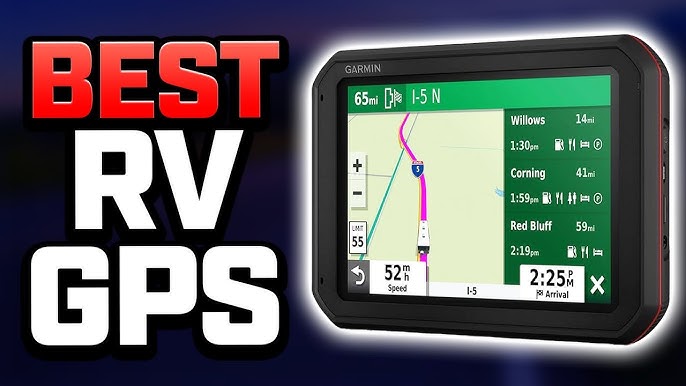
Planning a road trip in your RV can be an exciting adventure, but navigating through unfamiliar territories can sometimes be challenging. This is where RV GPS systems come to the rescue, offering specialized features tailored to the unique needs of recreational vehicle travelers.
What Makes RV GPS Different?
RV GPS units are specifically designed to accommodate the size, weight, and height restrictions of RVs. These devices take into account factors such as low bridges, narrow roads, and weight limits that standard GPS systems may overlook. With an RV GPS, you can rest assured that your route is optimized for your vehicle’s specifications.
Key Features to Look For
- Customizable Routing: Choose routes based on your RV’s size and weight to avoid roads with restrictions.
- Campground Information: Access a database of RV-friendly campgrounds with amenities like hookups and pet-friendly facilities.
- Traffic Updates: Stay informed about real-time traffic conditions and receive alternative routes to avoid delays.
- Points of Interest (POI): Discover nearby attractions, gas stations, rest areas, and other essential stops along your journey.
- Lifetime Map Updates: Ensure that your GPS system is always up-to-date with the latest maps for accurate navigation.
Benefits of Using an RV GPS
By investing in an RV-specific GPS system, you can enjoy several benefits that enhance your travel experience:
- Safety: Avoid hazards such as low bridges and steep inclines that could pose a risk to your RV.
- Ease of Use: Simplify navigation with user-friendly interfaces and voice-guided directions tailored for RV drivers.
- Precision: Reach your destination efficiently with accurate routing that considers your vehicle’s dimensions and limitations.
- Piece of Mind: Travel confidently knowing that you have a reliable navigation companion designed specifically for RV travel.
If you’re planning your next RV adventure, consider equipping yourself with an RV-specific GPS system to make your journey smoother and more enjoyable. With advanced features and tailored functionalities, these devices are essential companions for any road-tripping enthusiast behind the wheel of an RV.
Top 9 Benefits of Using RV GPS for Stress-Free and Safe Road Trips
- Customizable routing for RV size and weight specifications
- Access to a database of RV-friendly campgrounds
- Real-time traffic updates with alternative routes
- Points of Interest (POI) for essential stops along the way
- Voice-guided directions tailored for RV drivers
- Safety features to avoid hazards like low bridges and steep inclines
- Lifetime map updates for accurate navigation
- User-friendly interfaces for ease of use on the road
- Peace of mind with reliable navigation designed specifically for RV travel
6 Drawbacks of RV GPS Systems: Costs, Complexity, and More
- Initial Cost
- Subscription Fees
- Limited Battery Life
- Complexity
- Map Accuracy
- Dependency on Technology
Customizable routing for RV size and weight specifications
RV GPS systems offer a valuable pro in the form of customizable routing tailored to RV size and weight specifications. This feature ensures that RV travelers can avoid roads with restrictions that may not be suitable for their vehicle dimensions. By inputting specific details about their RV, such as height, weight, and length, drivers can enjoy optimized routes that take into account these critical factors, ultimately enhancing safety and efficiency during their journeys.
Access to a database of RV-friendly campgrounds
Access to a database of RV-friendly campgrounds is a valuable pro of RV GPS systems. This feature allows travelers to easily locate and select campgrounds that cater specifically to the needs of RV owners. With information on amenities such as hookups, pet-friendly policies, and available facilities, RV GPS users can plan their stops with confidence, ensuring a comfortable and enjoyable camping experience throughout their journey.
Real-time traffic updates with alternative routes
One of the key advantages of RV GPS systems is their ability to provide real-time traffic updates along with alternative routes. This feature ensures that RV travelers can navigate through congested areas or road closures efficiently, saving time and reducing stress during their journey. By receiving instant traffic information and suggested detours, RV drivers can make informed decisions to avoid delays and reach their destination smoothly.
Points of Interest (POI) for essential stops along the way
RV GPS systems offer a valuable feature known as Points of Interest (POI), which provide essential information about nearby attractions, gas stations, rest areas, and other crucial stops along your route. This functionality ensures that RV travelers can easily locate and access necessary amenities during their journey, enhancing convenience and peace of mind on the road. Whether you’re looking for a scenic overlook, a campground with full hookups, or a family-friendly restaurant, POI on RV GPS systems simplify trip planning and make exploring new destinations a seamless experience.
Voice-guided directions tailored for RV drivers
One of the key advantages of RV GPS systems is the provision of voice-guided directions specifically tailored for RV drivers. This feature ensures that drivers receive clear and concise instructions that take into account the unique specifications of their recreational vehicles, such as size, weight, and height restrictions. With voice guidance customized for RVs, drivers can navigate confidently without having to constantly refer to the GPS screen, enhancing safety and convenience during their travels.
Safety features to avoid hazards like low bridges and steep inclines
RV GPS systems offer invaluable safety features to protect drivers from potential hazards such as low bridges and steep inclines. By incorporating detailed road data and height restrictions into their routing algorithms, these devices can alert RV travelers about upcoming obstacles that may pose a risk to their vehicles. This proactive approach not only enhances driver awareness but also helps prevent accidents and damage to RVs, ensuring a safer and more secure journey for all road-trippers.
Lifetime map updates for accurate navigation
One of the key advantages of RV GPS systems is the provision of lifetime map updates, ensuring accurate navigation throughout your travels. With constantly updated maps, RV drivers can rely on the latest road information, including new routes, points of interest, and potential road closures. This feature not only enhances the precision of navigation but also provides peace of mind knowing that your GPS system is always up-to-date and ready to guide you efficiently to your destination.
User-friendly interfaces for ease of use on the road
RV GPS systems offer user-friendly interfaces that ensure ease of use on the road, making navigation a seamless experience for RV travelers. With intuitive controls and clear instructions, drivers can easily input destinations, access important information, and receive guidance without distraction. The user-friendly design of RV GPS systems enhances safety by allowing drivers to focus on the road while staying informed about upcoming turns, traffic conditions, and points of interest along their route. Whether you’re a seasoned RV enthusiast or a novice road tripper, the simplicity of RV GPS interfaces makes traveling more convenient and enjoyable for all.
Peace of mind with reliable navigation designed specifically for RV travel
Traveling in an RV can be a liberating experience, but it also comes with unique challenges when it comes to navigation. The peace of mind that comes with using an RV GPS system specifically tailored for recreational vehicles is invaluable. With reliable navigation features that take into account the size, weight, and height restrictions of RVs, drivers can confidently embark on their journeys knowing they have a trusted companion guiding them safely to their destinations. This specialized tool ensures a stress-free travel experience, allowing RV enthusiasts to focus on enjoying the open road without worrying about encountering unexpected obstacles along the way.
Initial Cost
One drawback of RV GPS systems is the initial cost associated with purchasing them. Compared to standard GPS devices, RV-specific units can come with a higher price tag due to their specialized features tailored for recreational vehicle travel. While the advanced functionalities of RV GPS systems offer valuable benefits, such as customized routing and RV-friendly points of interest, the upfront investment required may deter some potential buyers seeking a more budget-friendly navigation solution.
Subscription Fees
Subscription Fees: One drawback of certain RV GPS systems is the imposition of recurring subscription fees to unlock premium features such as live traffic updates. While these services can enhance the navigation experience by providing real-time traffic information, the additional cost may deter some users from fully utilizing these benefits. It’s important for RV travelers to weigh the value of these subscription-based features against their budget and travel needs when considering which GPS system to invest in.
Limited Battery Life
RV GPS units come with a drawback of limited battery life, which can be a concern for travelers who rely on them for navigation. Unlike portable devices that offer longer battery durations, RV GPS systems may require frequent charging or connection to a power source to ensure uninterrupted operation. This limitation can be inconvenient during long journeys or when traveling in areas with limited access to power outlets, highlighting the importance of planning for adequate power supply to keep your RV GPS running smoothly throughout your trip.
Complexity
The complexity of RV GPS systems can pose a significant challenge for users who are not accustomed to advanced technology. The array of features offered by these systems, while beneficial for experienced users, may result in a steep learning curve for beginners. Navigating through menus, setting up customized routes, and understanding the various functionalities can be overwhelming for those unfamiliar with the intricacies of RV GPS technology. As a result, users may require additional time and effort to fully grasp the capabilities of these systems and maximize their utility during their travels.
Map Accuracy
When relying on RV GPS systems, one notable drawback to consider is the issue of map accuracy. Despite efforts to provide updated maps, occasional inaccuracies or outdated information may persist within these devices. This can potentially lead to unexpected detours or difficulties in navigating unfamiliar routes, highlighting the importance of staying vigilant and supplementing GPS guidance with additional map sources when necessary.
Dependency on Technology
Dependency on Technology: Relying solely on an RV GPS system without backup navigation tools could pose challenges in areas with poor signal reception or technical issues. In such situations, where the reliability of the GPS system is compromised, travelers may find themselves stranded or lost without alternative means of navigation. It is important for RV drivers to be prepared with traditional maps or compasses as backups to ensure they can navigate effectively even in technology-dependent scenarios.