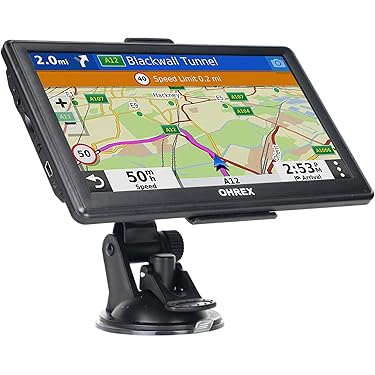
The Importance of GPS for Semi Trucks
GPS technology has revolutionized the way we navigate our world, and its benefits extend far beyond personal vehicles. For semi-truck drivers, GPS systems play a crucial role in ensuring efficient and safe transportation of goods across long distances.
Accurate Navigation
One of the primary advantages of using GPS for semi trucks is accurate navigation. These specialized GPS devices are designed to take into account the unique requirements of large commercial vehicles, such as height restrictions, weight limits, and truck-specific routes. By providing real-time updates on traffic conditions and road closures, GPS helps truck drivers plan their routes effectively and avoid delays.
Improved Efficiency
GPS technology enables trucking companies to optimize their operations by monitoring vehicle locations and tracking delivery progress in real-time. This level of visibility allows for better coordination of shipments, reduced idle time, and improved overall efficiency in logistics management.
Safety Features
GPS systems for semi trucks come equipped with safety features that enhance driver awareness and reduce the risk of accidents. Functions like lane departure warnings, speed limit alerts, and fatigue monitoring help ensure that drivers stay focused on the road and adhere to safety regulations while behind the wheel.
Cost Savings
By providing accurate routing information and optimizing fuel consumption through efficient route planning, GPS for semi trucks can help reduce operating costs for trucking companies. Additionally, improved scheduling and reduced downtime result in higher productivity levels and ultimately contribute to greater profitability.
The Future of Trucking Technology
As advancements in GPS technology continue to evolve, the future looks promising for the trucking industry. Features such as predictive maintenance alerts, weather forecasting integration, and AI-driven route optimization are set to further enhance the capabilities of GPS systems for semi trucks, making transportation more reliable and sustainable than ever before.
In conclusion, GPS technology plays a vital role in improving the efficiency, safety, and cost-effectiveness of semi-truck operations. By embracing these innovative solutions, trucking companies can stay ahead in a competitive industry while ensuring smooth and successful deliveries across vast distances.
Top 5 Benefits of GPS for Semi Trucks: Enhancing Navigation, Safety, and Efficiency
- Accurate navigation tailored for large commercial vehicles
- Real-time traffic updates to avoid delays and optimize routes
- Enhanced driver safety features such as lane departure warnings
- Improved operational efficiency through better logistics management
- Cost savings from fuel optimization and reduced downtime
Challenges of GPS for Semi Trucks: Accuracy, Dependence, Costs, Distraction, and Privacy
- Limited Accuracy in Remote Areas
- Dependency on Technology
- Cost of Maintenance
- Driver Distraction
- Data Privacy Concerns
Accurate navigation tailored for large commercial vehicles
Accurate navigation tailored for large commercial vehicles is a crucial benefit of GPS systems for semi trucks. These specialized devices take into account factors such as height restrictions, weight limits, and truck-specific routes to provide precise guidance for drivers. By offering real-time updates on traffic conditions and road closures, GPS ensures that truck drivers can plan their routes effectively, avoid obstacles, and reach their destinations efficiently. This level of customization not only enhances the overall driving experience but also contributes to increased safety on the roads by helping drivers navigate with confidence and precision.
Real-time traffic updates to avoid delays and optimize routes
By providing real-time traffic updates, GPS systems for semi trucks offer a valuable advantage in avoiding delays and optimizing routes. This feature allows truck drivers to stay informed about current road conditions, accidents, or congestion, enabling them to make timely decisions to reroute and avoid potential hold-ups. By taking proactive measures based on up-to-the-minute information, drivers can optimize their routes for efficiency and on-time deliveries, ultimately enhancing productivity and customer satisfaction in the transportation industry.
Enhanced driver safety features such as lane departure warnings
Enhanced driver safety features, such as lane departure warnings, offered by GPS systems for semi trucks are instrumental in reducing the risk of accidents on the road. By providing real-time alerts when a driver unintentionally drifts out of their lane, these advanced technologies help to mitigate potential collisions and keep drivers more focused and alert during long hauls. The proactive nature of lane departure warnings not only enhances overall road safety but also instills a sense of confidence in drivers, ensuring that they can navigate highways with increased awareness and precision.
Improved operational efficiency through better logistics management
Improved operational efficiency through better logistics management is a significant benefit of utilizing GPS for semi trucks. By leveraging real-time tracking and route optimization capabilities, trucking companies can streamline their operations, monitor vehicle locations, and track delivery progress more effectively. This enhanced visibility allows for improved coordination of shipments, reduced idle time, and overall optimization of logistics processes. With GPS technology, companies can make data-driven decisions that lead to increased efficiency, cost savings, and ultimately, a more competitive edge in the transportation industry.
Cost savings from fuel optimization and reduced downtime
One significant benefit of GPS systems for semi trucks is the cost savings achieved through fuel optimization and reduced downtime. By providing accurate routing information and real-time traffic updates, GPS technology enables truck drivers to plan more efficient routes, minimizing fuel consumption and ultimately lowering operating costs. Additionally, the ability to track vehicle locations and monitor delivery progress helps optimize scheduling, reducing idle time and improving overall productivity. These cost-saving measures not only benefit trucking companies financially but also contribute to a more sustainable and environmentally friendly transportation industry.
Limited Accuracy in Remote Areas
In remote or mountainous areas, one significant drawback of GPS for semi trucks is the limited accuracy caused by weaker or unreliable signals. When navigating through such challenging terrains, the GPS system may struggle to maintain a strong connection with satellites, resulting in potential navigation errors. This can lead to drivers receiving inaccurate route guidance, which may pose safety risks and cause delays in delivery schedules. Trucking companies operating in remote regions need to be aware of this limitation and consider additional navigation tools or backup plans to ensure smooth and efficient transportation operations.
Dependency on Technology
One significant drawback of using GPS for semi trucks is the inherent dependency on technology. Relying solely on GPS for navigation can present challenges when the device malfunctions or loses signal unexpectedly. In such situations, truck drivers may find themselves without reliable guidance, leading to potential delays, detours, or even getting lost. This overreliance on GPS systems underscores the importance of maintaining traditional navigational skills and having backup plans in place to ensure continuous and uninterrupted transportation operations.
Cost of Maintenance
The cost of maintenance poses a significant challenge for trucking companies utilizing GPS systems for their semi trucks. Keeping these systems up-to-date and in optimal working condition can result in added expenses, particularly for fleets with numerous vehicles. From software updates to hardware repairs, the ongoing maintenance requirements of GPS technology can strain budgets and resources, impacting the overall operational costs of trucking businesses. Finding cost-effective solutions to manage and sustain GPS systems is essential to mitigate the financial burden associated with maintenance in the long run.
Driver Distraction
Driver Distraction is a significant con associated with GPS systems for semi trucks. The need to constantly monitor and follow GPS instructions while navigating can divert the driver’s attention away from the road, potentially leading to distractions and compromising overall road safety. In a high-pressure environment like long-haul trucking, any distraction, no matter how brief, can increase the risk of accidents and jeopardize the well-being of both the driver and other road users. Finding a balance between utilizing GPS technology for navigation purposes and ensuring that drivers remain focused on safe driving practices is crucial to mitigating this potential downside of GPS systems in semi trucks.
Data Privacy Concerns
Data Privacy Concerns: One significant drawback of using GPS devices for semi trucks is the potential breach of data privacy. As location data is continuously collected and stored, there arises a valid concern regarding the confidentiality of driver information. The constant tracking of truck movements can lead to privacy issues, raising questions about who has access to this sensitive data and how it is being used. Ensuring the protection of driver privacy while still reaping the benefits of GPS technology remains a challenge that must be carefully addressed in the trucking industry.