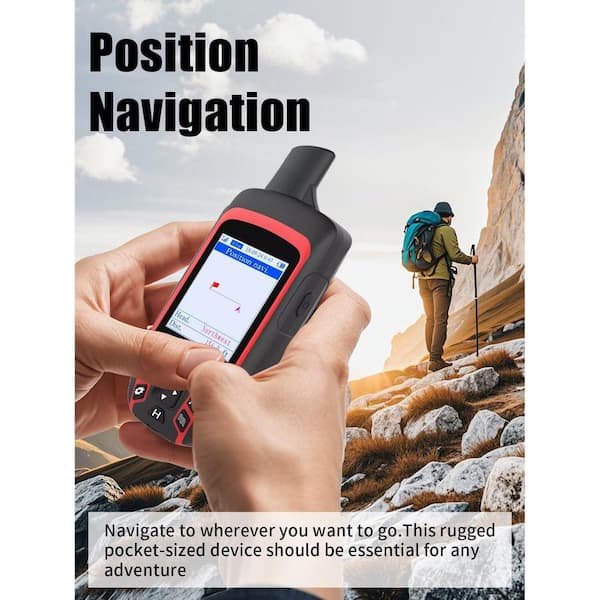
Rugged Handheld GPS: A Guide to Reliable Navigation Outdoors
A rugged handheld GPS is a portable navigation device built for use in demanding outdoor conditions. Unlike a standard smartphone, it is typically designed to handle rough treatment, changing weather, and long days away from a charger. Hikers, hunters, field crews, boaters, and other outdoor users may rely on one to record routes, mark locations, and find their way when cell service is limited or unavailable.
What Makes a Handheld GPS Rugged?
Rugged models are made to withstand the challenges of outdoor use. Depending on the device, protective features may include a reinforced housing, a screen designed for use in bright sunlight, sealed ports, and resistance to water, dust, or impact. Durability varies by model, so check the manufacturer’s specifications and understand what a particular rating covers before relying on a device in harsh conditions.
A rugged design does not make a GPS indestructible. A hard fall, prolonged submersion, extreme temperatures, or a damaged seal can still affect performance. A protective case and careful handling can help extend the life of the device.
Key Features to Consider
Satellite and GNSS Support
Handheld GPS devices receive signals from navigation satellites. Some models support multiple global navigation satellite systems, or GNSS, which may help them maintain a position fix in challenging environments. Actual positioning performance depends on the device, satellite visibility, terrain, buildings, foliage, and other conditions. Deep valleys, dense tree cover, and urban areas can interfere with reception.
Maps and Navigation Tools
Many devices include a basic map and allow users to add detailed maps or charts. Useful functions may include route planning, turn-by-turn guidance, track recording, and the ability to save waypoints such as campsites, trail junctions, or work locations. Before a trip, check whether the maps cover the intended area and whether they can be used offline.
Battery Life and Power Options
Battery life is especially important when a trip lasts more than a day or takes place far from a power source. Compare the manufacturer’s estimates, keeping in mind that features such as frequent screen use, wireless connections, and certain satellite settings can increase power consumption. Some handheld units use replaceable batteries, while others have rechargeable batteries. Carrying spare batteries or a suitable power bank can provide extra flexibility.
Screen and Controls
A screen that remains readable in sunlight can be valuable on open trails or worksites. Consider its size, resolution, and whether it is easy to read with sunglasses. Physical buttons can be easier to operate with gloves or in wet conditions, while a touchscreen may offer a familiar interface. The best choice depends on how and where the device will be used.
Connectivity and Safety Features
Some handheld GPS units can connect to a phone or other accessories, while certain models offer satellite messaging or emergency communication features. These capabilities are not universal and may require a compatible service plan, clear access to the sky, or additional equipment. Review the terms and limitations carefully. A navigation device should not be treated as a substitute for an emergency plan.
Common Uses
- Hiking and backpacking: Save trail junctions, record a route, and follow downloaded maps when cell coverage is unavailable.
- Hunting and fishing: Mark access points, camps, or productive locations and navigate back to them later.
- Fieldwork: Record coordinates and tracks for surveying, conservation, construction, or utility work.
- Boating: Use compatible marine maps and navigation tools, while following applicable boating safety practices.
- Off-road travel: Track routes and locate saved points in areas where roads or trails may be poorly marked.
Handheld GPS vs. Smartphone Navigation
Smartphones are convenient navigation tools, especially when paired with maps that can be downloaded in advance. They may also provide a larger selection of apps and services. However, phones can be more vulnerable to impact, water, cold, and battery drain, depending on the model and conditions.
A rugged handheld GPS may be a better fit for frequent outdoor use because it is designed with durability and dedicated navigation functions in mind. It can still have limitations, including a smaller screen or the need to purchase additional maps. Some travelers carry both a phone and a GPS device so they have a backup option.
How to Choose the Right Device
Start by thinking about where and how often the GPS will be used. A day hiker may prioritize straightforward controls and downloadable trail maps. A remote field team may need long battery life, reliable waypoint management, and easy data transfer. Boaters should confirm that the device supports the appropriate marine charts and navigation features.
Before buying, compare:
- Durability and water-resistance specifications
- Satellite and GNSS compatibility
- Map availability, coverage, and update costs
- Battery type and expected operating time
- Screen readability and ease of use
- Storage capacity and waypoint limits
- Wireless, messaging, or emergency features
- Warranty, support, and accessory compatibility
Tips for Using a Handheld GPS Safely
- Download maps and update the device before leaving home.
- Learn how to save waypoints and return to a starting point before relying on those functions in the field.
- Carry extra power, and adjust screen brightness or other settings to manage battery use.
- Tell someone your plans and expected return time.
- Bring a paper map and compass and know how to use them.
- Keep the device protected and follow the manufacturer’s care instructions.
Conclusion
A rugged handheld GPS can be a dependable navigation aid for outdoor adventures and fieldwork, especially where cell service is unreliable. The right model depends on the environment, maps, battery needs, and features required. With advance preparation and a backup navigation plan, a rugged GPS can help users travel with greater awareness and confidence.
7 Advantages of Rugged Handheld GPS for Outdoor Adventures
- Built for tough outdoor conditions
- Reliable navigation beyond cell coverage
- Helps save and revisit key locations
- Supports offline maps on many models
- Long-lasting or replaceable battery options
- Physical controls can work with gloves
- Useful for hiking, boating, and fieldwork
5 Drawbacks of Rugged Handheld GPS Devices
- Can be expensive compared with smartphone apps.
- Small screens can be difficult to read.
- Detailed maps may cost extra.
- Battery life can be limited in cold weather.
- GPS signals may weaken under dense tree cover or in deep valleys.
Built for tough outdoor conditions
Rugged handheld GPS devices are designed to handle tough outdoor conditions, from rain and dust to bumps and accidental drops. Their durable construction makes them a dependable choice for hiking, camping, fieldwork, and other activities where ordinary electronics may be more vulnerable. While no device is indestructible, a rugged GPS can provide greater peace of mind when navigating far from easy shelter or support.
Reliable navigation beyond cell coverage
A rugged handheld GPS can provide reliable navigation even when cell service is unavailable. Because it receives positioning signals directly from navigation satellites, it can help you view your location, follow routes, and mark important waypoints in remote areas beyond cellular coverage. Download maps in advance, since map availability and device features vary by model.
Helps save and revisit key locations
A rugged handheld GPS makes it easy to save important locations as waypoints, such as a trailhead, campsite, fishing spot, job site, or vehicle parking area. You can use those saved coordinates to return later, even when cell service is unavailable. This is especially useful in unfamiliar terrain, where landmarks may be hard to recognize or easy to pass.
Supports offline maps on many models
Many rugged handheld GPS models support offline maps, allowing users to navigate without a cellular connection. Downloading maps before a trip can make it easier to view trails, roads, landmarks, and saved waypoints in remote areas where service is weak or unavailable. Map availability and storage options vary by device, so it’s a good idea to confirm coverage and load the maps you need before heading out.
Long-lasting or replaceable battery options
Long-lasting or replaceable battery options make a rugged handheld GPS a practical choice for extended trips and demanding fieldwork. A battery designed to last through long hours of navigation can reduce the need to recharge, while replaceable batteries let users carry spares and swap them in when power runs low. This flexibility is especially useful far from outlets, where a dependable power source can help keep maps, routes, and location tools available throughout the day.
Physical controls can work with gloves
Physical controls are a valuable feature on a rugged handheld GPS, especially in cold weather or challenging conditions. Buttons and a directional pad can be easier to use than a touchscreen when you’re wearing thick gloves, and they often respond reliably when the screen is wet or muddy. This makes it simpler to zoom in on a map, mark a waypoint, or adjust settings without removing your gloves and exposing your hands to the elements.
Useful for hiking, boating, and fieldwork
A rugged handheld GPS is useful across a wide range of activities, from hiking remote trails to navigating on the water and recording locations during fieldwork. It can help hikers follow routes and mark trail junctions, support boaters with compatible marine maps, and let field crews save coordinates or track their movements. Its durable design makes it a practical navigation tool in changing weather and demanding outdoor environments.
Can be expensive compared with smartphone apps.
One drawback of a rugged handheld GPS is its upfront cost. A dedicated device can be considerably more expensive than using a navigation app on a smartphone you already own, and detailed maps, accessories, or subscription services may add to the expense. For occasional trips, a phone app with offline maps may be a more budget-friendly option, though it may not offer the same durability or specialized features.
Small screens can be difficult to read.
One drawback of rugged handheld GPS devices is their small screens, which can make maps, route details, and menus difficult to read at a glance. This can be especially frustrating in bright sunlight, while wearing gloves, or when users need to zoom in and out frequently. Before choosing a device, consider the screen size, readability, and ease of use in the conditions where it will be used.
Detailed maps may cost extra.
Detailed maps may cost extra, which can increase the overall price of a rugged handheld GPS. Some devices include only a basic map, so users may need to purchase additional maps for trails, backcountry areas, or marine routes. Before buying, check which maps are included, whether updates require a fee, and if free offline maps are compatible with the device.
Battery life can be limited in cold weather.
Cold weather can reduce the battery life of a rugged handheld GPS, sometimes causing it to run down faster than expected or shut off sooner than usual. This can be a concern on winter hikes, remote work sites, or other trips where charging isn’t available. To help manage the cold, keep the device in an insulated pocket when you’re not using it, carry spare batteries or a power bank, and check the manufacturer’s guidance for low-temperature use.
GPS signals may weaken under dense tree cover or in deep valleys.
One limitation of a rugged handheld GPS is that its satellite signal may weaken under dense tree cover or in deep valleys, where the surrounding terrain or foliage can obstruct reception. This may cause slower location updates or less precise positioning, so it’s wise to carry a map and compass as backup and avoid relying on GPS alone in challenging terrain.