Best Handheld GPS for Hunting: Top Picks and Buying Guide
A dependable handheld GPS can help hunters navigate unfamiliar terrain, save routes, mark a trailhead, and find the way back to camp. The best choice depends on how you hunt: a lightweight unit may suit short day trips, while backcountry hunts call for longer battery life, detailed maps, and possibly satellite messaging.
Below are several strong options to consider, along with the features that matter most when choosing a handheld GPS for hunting. Product features and availability can change, so confirm the current specifications before buying.
Quick Picks
- Best overall: Garmin GPSMAP 67
- Best for backcountry safety: Garmin GPSMAP 67i
- Best for simple navigation: Garmin eTrex SE
- Best for a large, easy-to-read screen: Garmin Montana 700 series
Best Overall: Garmin GPSMAP 67
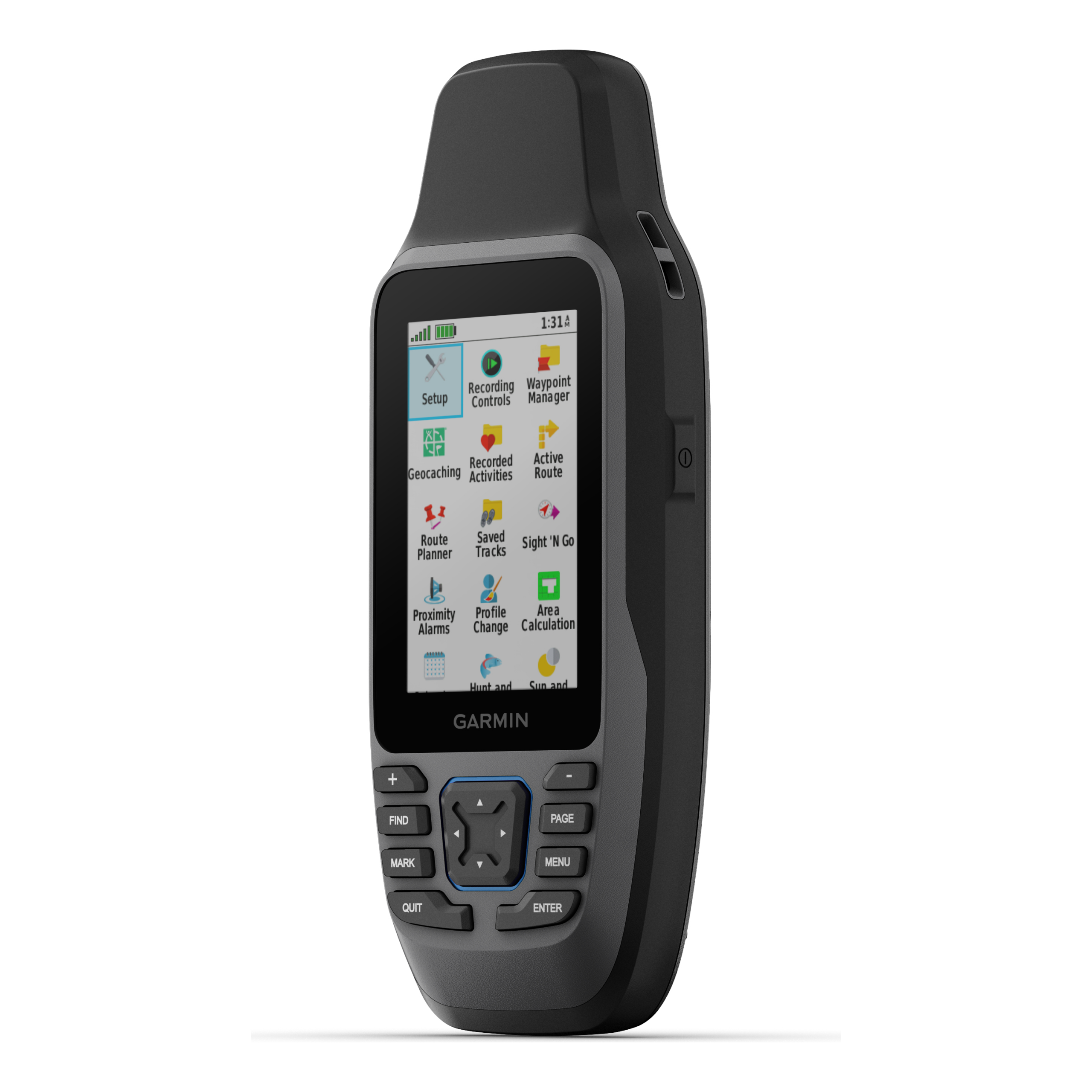
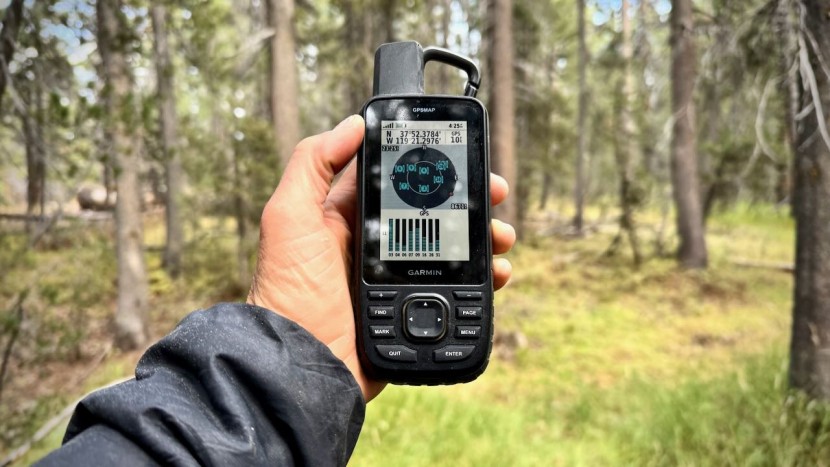
The GPSMAP 67 is a versatile choice for hunters who want a rugged, button-operated device with detailed navigation features. It supports multiple satellite systems and multi-band GNSS, which can help maintain a more reliable position in challenging environments such as dense forest or steep terrain.
Its color display makes maps and saved waypoints easier to review, while physical buttons are practical when wearing gloves or operating the unit in wet conditions. The GPSMAP 67 is a good fit for hunters who need dependable navigation but do not require built-in satellite messaging.
Consider it if: You want a capable mapping GPS for regular trips and prefer buttons over a touchscreen.
Best for Backcountry Safety: Garmin GPSMAP 67i
The GPSMAP 67i combines handheld GPS navigation with inReach satellite communication. In areas without cell service, compatible inReach features can allow users to send and receive messages and, with an active subscription, access SOS assistance. Satellite communication generally requires a clear view of the sky and may be affected by terrain, weather, or heavy tree cover.
This extra capability makes the 67i especially appealing for remote hunts, solo trips, or journeys where someone at home may need updates. It is typically more expensive than a navigation-only unit, and satellite services require a compatible plan.
Consider it if: You hunt far from cell coverage and want navigation plus a way to communicate by satellite.
Best for Simple Navigation: Garmin eTrex SE
The eTrex SE is a compact option for hunters who want straightforward navigation without paying for every advanced feature. It can be useful for saving waypoints, following routes, and navigating back to a starting point. Its simpler design may be easier to learn than a feature-heavy mapping unit.
Before choosing an entry-level GPS, check whether its display and mapping features meet your needs. If you plan to study detailed topographic maps on the device, a model with a larger color screen may be more convenient.
Consider it if: You want a portable GPS for basic waypoint and route navigation.
Best for a Large Screen: Garmin Montana 700 Series
The Montana 700 series offers a larger touchscreen than many traditional handheld GPS units. That can make maps easier to view and interact with, especially for users who prefer a phone-like interface. The larger size can also be less convenient to carry, and touchscreen operation may be harder with gloves or in cold, wet weather.
Different Montana models offer different features, so compare the exact version you are considering. Some configurations include additional communication or mapping capabilities.
Consider it if: Screen size and map readability matter more to you than having the smallest, lightest device.
What to Look for in a Hunting GPS
Reliable Positioning
Look for a receiver that supports multiple satellite systems. Multi-band GNSS can improve positioning performance in some difficult environments, but no GPS is guaranteed to work perfectly under dense canopy, beside steep cliffs, or indoors.
Maps That Work Offline
Cell service is unreliable in many hunting areas, so make sure the device can store maps for offline use. Topographic maps can help you understand elevation and terrain, while hunting-specific maps may show property boundaries or other useful land information. Check whether maps are included, require a separate purchase, or depend on a subscription.
Battery Life and Power Options
Battery life varies with screen brightness, satellite settings, temperature, and how often you use the device. For long trips, review the manufacturer’s estimates and plan to carry a power bank or spare batteries if the model supports them. Cold weather can reduce battery performance, so keep the device protected when it is not in use.
Screen and Controls
A large screen helps when reviewing maps, but a smaller device is easier to pack. Physical buttons are often practical with gloves and in bad weather. Touchscreens can feel more intuitive, but consider how they perform with your usual gloves and in the conditions where you hunt.
Durability and Weather Resistance
Hunting gear can be exposed to rain, mud, dust, and impacts. Check the device’s durability and water-resistance information, and consider how you will protect it in the field. A sturdy case or lanyard can help prevent damage or loss.
Satellite Messaging
Satellite communication is an important feature for hunters who travel beyond cell coverage. Confirm which messaging and emergency functions are available, whether a subscription is required, and how the service works in your destination. A GPS receiver by itself does not automatically provide emergency communication.
Handheld GPS or Smartphone?
A smartphone with an offline mapping app can be an effective navigation tool, especially if you already use digital hunting maps. However, phones can be vulnerable to cold, water, impacts, and battery drain. A dedicated handheld GPS is generally built for outdoor use and may offer physical controls, longer field-ready operation, or satellite communication.
Many hunters carry both. A phone can be convenient for viewing detailed maps, while a dedicated GPS provides a separate navigation tool if the phone runs out of power or gets damaged. Whichever option you choose, download maps before leaving service and learn how to use them before your trip.
How to Choose the Right Model
- For day hunts near familiar roads: A basic handheld GPS with waypoint and route features may be enough.
- For regular hunting trips: Choose a rugged mapping unit with offline topographic maps and reliable positioning.
- For remote or solo hunts: Consider a model with satellite messaging and SOS capability, and account for any required service plan.
- For map-focused navigation: Prioritize screen size, map compatibility, and the cost of hunting or property-boundary maps.
Tips for Using a GPS Safely
Mark your vehicle, camp, trail junctions, and other key locations before heading into unfamiliar terrain. Carry a charged power source, download maps in advance, and learn how to save and return to a waypoint. Check the device periodically rather than waiting until you are unsure of your location.
A handheld GPS should be one part of a broader navigation plan. Carry a paper map and compass, know how to use them, and tell someone where you are going and when you expect to return. Always follow local hunting regulations and use current, authoritative maps when checking land boundaries.
Final Recommendation
For most hunters seeking a capable, durable navigation device, the Garmin GPSMAP 67 is a strong all-around choice. The GPSMAP 67i is worth considering when satellite communication is a priority, while the eTrex SE suits hunters who want a simpler device. Choose based on the terrain, trip length, mapping needs, and communication coverage you expect—not just the number of features on the box.
9 Key Benefits of the Best Handheld GPS for Hunting
- Reliable navigation in remote terrain
- Works without cell service
- Stores hunting locations as waypoints
- Offline maps aid route planning
- Rugged design handles outdoor conditions
- Long battery life supports extended trips
- Physical buttons work well with gloves
- Satellite messaging adds backcountry safety
- Helps mark camp, trails, and vehicles
Handheld Hunting GPS Drawbacks: High Costs, Weak Reception, and Extra Fees
- Handheld GPS units can be expensive, especially models with satellite messaging.
- Dense forests and deep canyons may weaken satellite reception.
- Detailed maps and satellite features may require extra purchases or subscriptions.
Reliable navigation in remote terrain
A handheld GPS provides reliable navigation in remote terrain where cell service may be unavailable and trails can be difficult to follow. By showing your location on a map and letting you mark important points—such as camp, a trailhead, or a route junction—it can help you stay oriented and retrace your path. For best results, download maps before your hunt, carry backup power, and bring a paper map and compass as well.
Works without cell service
A handheld GPS works without cell service, making it a reliable navigation tool in remote hunting areas where phones may have no signal. It uses satellite positioning to show your location, track your route, and guide you back to camp or your vehicle. Download any maps you need before your trip, and remember that GPS navigation does not replace carrying a paper map and compass as backups.
Stores hunting locations as waypoints
A handheld GPS lets you save important hunting locations as waypoints, such as your trailhead, camp, tree stand, game camera, or a promising spot. You can label each point and return to it later without relying on memory or cell service. By marking key locations as you go, you can also plan routes, track productive areas, and navigate back to your vehicle more confidently.
Offline maps aid route planning
Offline maps make it easier to plan a hunting route before you leave home and keep navigating when cell service disappears. Downloading topographic or hunting maps in advance lets you review terrain, identify landmarks, mark trailheads and camps, and map a route without relying on a mobile connection. This can help you stay oriented in remote areas and retrace your path when it’s time to head back.
Rugged design handles outdoor conditions
A rugged handheld GPS is built to handle the demands of hunting in the outdoors. Its durable construction and weather-resistant design can help protect it from rain, dust, mud, and accidental bumps, while dependable physical controls are often easier to use with gloves. This added resilience makes it a reliable navigation companion in challenging conditions, so you can focus on the hunt.
Long battery life supports extended trips
Long battery life is a major advantage when choosing a handheld GPS for hunting, especially on multi-day trips far from reliable power sources. A device that can run for extended periods helps you track your location, save waypoints, and follow routes without frequent recharging or carrying extra batteries. This added reliability can make it easier to stay focused on the hunt while keeping navigation available when you need it most.
Physical buttons work well with gloves
Physical buttons are a practical advantage when hunting in cold or wet weather. They’re easier to operate with gloves than a touchscreen, so you can mark a waypoint, check your route, or adjust settings without taking your gloves off. Buttons also tend to respond more reliably when the screen is wet or muddy, making navigation simpler in challenging field conditions.
Satellite messaging adds backcountry safety
Satellite messaging adds an important layer of safety when hunting beyond cell coverage. A compatible handheld GPS can let you send check-in messages, share your location, or contact emergency services by satellite, depending on the device and active service plan. This can provide added reassurance on remote or solo trips, though satellite communication may be limited by terrain, weather, or a blocked view of the sky.
Helps mark camp, trails, and vehicles
A handheld GPS makes it easy to mark your camp, vehicle, trailhead, and important spots along your route as waypoints. If you need to change course or return after dark, you can use those saved locations to retrace your path with greater confidence. This is especially helpful in unfamiliar hunting areas, where landmarks can look different or be hard to spot in changing light and weather.
Handheld GPS units can be expensive, especially models with satellite messaging.
Handheld GPS units can be a significant investment, particularly models with advanced mapping, rugged designs, or satellite messaging. Satellite-enabled devices often require a separate service plan, adding ongoing costs beyond the purchase price. Compare features and subscription fees before buying to make sure the extra capabilities fit your hunting needs and budget.
Dense forests and deep canyons may weaken satellite reception.
Dense forests and deep canyons can weaken satellite reception, making it harder for a handheld GPS to pinpoint your location accurately. Thick tree cover and steep terrain may also slow position updates or cause the signal to drop temporarily. Before heading out, download maps, save key waypoints, and carry a compass and paper map as backups.
Detailed maps and satellite features may require extra purchases or subscriptions.
One downside of handheld GPS devices for hunting is that detailed maps and satellite features may cost extra. Topographic or hunting maps might need to be purchased separately, while satellite messaging and emergency services often require a paid subscription. These additional costs can add up, so check what’s included—and what requires an ongoing plan—before choosing a device.