Best Off-Road GPS: How to Choose the Right Navigator
The best off-road GPS is one you can read in bright sunlight, operate with gloves, and trust when cell service disappears. The right choice depends on how you travel: a mounted unit works well in a 4×4 or side-by-side, while a handheld GPS is easier to carry on foot, on a motorcycle, or as a backup.
Before buying, think about the terrain you explore, the maps you need, and whether you want navigation only or additional safety features such as satellite messaging. A device’s map coverage and ease of use can matter just as much as its screen size.
What Makes a Good Off-Road GPS?
- Offline maps: Downloadable maps let you navigate beyond cellular coverage. Check whether maps are included, require a subscription, or must be purchased separately.
- Reliable positioning: A quality GPS receiver helps maintain your location in remote areas. Multi-band or multi-GNSS support can improve reception in challenging terrain, depending on conditions.
- Durable construction: Look for a rugged, weather-resistant device designed to handle dust, vibration, rain, and temperature changes.
- Readable display: A bright screen is easier to see in direct sunlight. For a vehicle, a larger display can help; for hiking, a compact screen may be more practical.
- Long battery life: Consider how long you’ll be away from a power source. Some devices use replaceable batteries, while others can charge from a vehicle or portable battery.
- Track recording and route planning: These tools help you follow a planned route, retrace your path, and review where you’ve traveled.
- Easy controls: Touchscreens are convenient, but physical buttons can be easier to use with gloves or in wet conditions.
Best Types of Off-Road GPS
Best for 4x4s and Side-by-Sides: A Rugged, Vehicle-Mounted Navigator
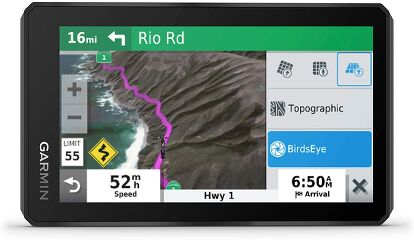
Drivers who spend most of their time on trails may prefer a dedicated off-road navigator mounted within easy view. These units typically offer larger screens, vehicle-friendly mounts, and map tools designed for navigating unpaved routes. Garmin’s Tread product line is one example to compare when shopping for an off-road vehicle navigator. Check the specific model’s map coverage, mounting options, and compatibility with your vehicle before buying.
A mounted GPS is most useful when it can be powered by the vehicle and positioned securely without blocking the driver’s view. Make sure the mount is suited to the vibration and movement of your vehicle.
Best for Hiking and Backcountry Trips: A Handheld GPS
A handheld GPS is a versatile choice for hikers, campers, hunters, and overlanders who want a navigation device they can carry away from the vehicle. Garmin’s GPSMAP and Montana families are examples of handheld and portable GPS lines to consider. Features vary by model, so compare screen size, battery options, mapping support, and controls.
Some handheld devices also offer two-way satellite messaging or an SOS function through a subscription service. These features can add a valuable communication option outside cell coverage, but they do not replace preparation, emergency training, or local rescue guidance.
Best Budget Option: A Smartphone with Offline Maps
A smartphone can be a capable low-cost navigation tool when paired with an app that supports offline maps and route recording. Download maps before leaving coverage, carry a power bank, and protect the phone from dust, moisture, and impacts. Keep in mind that phones can be less dependable as a sole navigation device because of battery drain, heat, cold, and physical damage.
For remote trips, a phone is best treated as one part of a navigation setup rather than the only source of direction. A paper map and compass, or a dedicated GPS, can provide useful backup.
Important Features to Compare
Map Coverage and Updates
“Off-road maps” can mean different things. Some show topographic details, public land boundaries, forest roads, and trails; others focus on roads and basic navigation. Confirm that the maps cover the area where you travel and that the trails are legal and open. Trail access can change seasonally, and a map may not reflect current closures or local restrictions.
Routing Versus Track Navigation
On paved roads, a GPS can usually calculate a route from one destination to another. Off-road, navigation may rely more on tracks, waypoints, and map interpretation. Learn how to load a route, follow a recorded track, and return to your starting point before heading into remote terrain.
Power and Mounting
For vehicle use, check whether the device can be powered from a 12-volt outlet or hardwired connection. For handheld use, compare battery life and charging options. Whichever style you choose, test the mount or carrying case before your trip.
Satellite Communication
Cell service is often unavailable in backcountry areas. Some GPS products can send messages or emergency alerts through satellite networks, usually with an active subscription. Review the coverage, service requirements, and emergency procedures for the device you’re considering.
How to Choose the Best Off-Road GPS for You
- Match the device to your activity. Choose a mounted unit for vehicle navigation, a handheld for portable use, or a phone-based setup for occasional trips close to help.
- Check maps for your region. Look for the terrain and trail information you actually need, not just a long list of general features.
- Test the interface. Try entering a waypoint, loading a track, and zooming the map. A device that is difficult to operate at home may be frustrating on a trail.
- Plan for power and weather. Choose a battery or vehicle-power setup that suits the length of your trips, and protect the device from the elements.
- Bring a backup. Save maps for offline use and consider carrying a paper map, compass, or second navigation device.
Final Thoughts
The best off-road GPS is the one that fits your vehicle or activity, has dependable maps for your area, and remains usable when conditions get rough. A rugged mounted navigator is often a practical choice for 4×4 and side-by-side drivers, while a handheld unit suits hikers and travelers who need portable navigation. For any option, learn the controls and download the necessary maps before leaving home.
GPS is a navigation aid, not a guarantee of safe passage. Check current trail conditions, respect closures and private property, tell someone your plans, and carry the skills and equipment needed for the trip.
Best Off-Road GPS: 6 Frequently Asked Questions
- Can you use Garmin GPS for off-road?
- What is the best GPS for off-road riding?
- What is the best GPS for an UTV?
- Is onX offroad worth the money?
- What is the best GPS for offroad maps?
- What is the best GPS for off-roading?
Can you use Garmin GPS for off-road?
Yes, many Garmin GPS devices can be used for off-road navigation, but the right model depends on your activity. Garmin’s Tread line is designed for off-road vehicle use, while GPSMAP and Montana models may suit hiking, overlanding, or other outdoor trips. Check that the device supports detailed maps for your area, and download them before traveling beyond cell coverage. Features vary by model, so confirm map availability, battery or vehicle-power options, and trail compatibility before you go.
What is the best GPS for off-road riding?
The best GPS for off-road riding depends on your vehicle and where you ride. Look for a rugged, weather-resistant unit with a bright, glove-friendly display, reliable positioning, and downloadable maps that cover your trails. A vehicle-mounted navigator can be convenient for motorcycles, ATVs, and UTVs, while a handheld GPS offers more flexibility for hiking or exploring away from your vehicle. Before choosing, check map coverage, battery or vehicle-power options, mounting compatibility, and whether the device supports route and track navigation.
What is the best GPS for an UTV?
The best GPS for a UTV is a rugged, vehicle-mounted unit with a bright, easy-to-read screen, reliable trail maps, and secure mounting that can handle vibration and rough terrain. Look for offline navigation, track recording, glove-friendly controls, and vehicle power options so you can keep navigating without cell service. The right choice depends on where you ride, so check that the maps cover your area and show trails you’re allowed to use.
Is onX offroad worth the money?
onX Offroad may be worth the money if you regularly explore unfamiliar trails and want detailed maps, trail information, and tools for planning trips. Its offline maps can be especially useful when cell service is unavailable, but features and coverage depend on the plan and area. If you only take occasional trips or already have maps that meet your needs, a free or lower-cost option may be enough. Before subscribing, check current pricing, included features, and trail coverage for the places you plan to ride or drive.
What is the best GPS for offroad maps?
The best GPS for off-road maps depends on how you travel. For 4x4s and side-by-sides, choose a rugged, vehicle-mounted navigator with a clear sunlight-readable screen and detailed offline trail maps. For hiking or portable use, a handheld GPS may be more practical. Before buying, confirm that maps cover your area, check whether updates or subscriptions cost extra, and make sure the device can record tracks and mark waypoints. Download maps and learn the controls before heading out, and carry a backup navigation option for remote trips.
What is the best GPS for off-roading?
The best GPS for off-roading depends on how you travel. For 4x4s and side-by-sides, choose a rugged, vehicle-mounted navigator with a bright screen, reliable mounting, and detailed offline trail maps. For hiking or portable use, a handheld GPS may be a better fit. Compare map coverage for your area, battery life, weather resistance, and ease of use, and download maps before your trip. A paper map or compass can provide useful backup in remote terrain.