Portable GPS Trackers: A Practical Guide
A portable GPS tracker is a compact device that uses satellite positioning and a wireless connection to report its location. Depending on the model, it may send updates to a smartphone app, a website, or a monitoring service. Portable trackers can be useful for keeping tabs on personal belongings, vehicles, equipment, pets, or people who have agreed to use one.
How a Portable GPS Tracker Works
Most trackers determine their location using signals from GPS satellites. They then send that information over a cellular network or another communication system to an app or online account. Some devices can also use Wi-Fi or nearby Bluetooth signals to help estimate location, particularly when satellite reception is limited.
Tracking frequency varies by device and settings. A tracker might report its position every few seconds, at longer intervals, or only when it moves. More frequent updates can provide a more current picture of a device’s location, but they generally use more battery power and data.
Common Uses
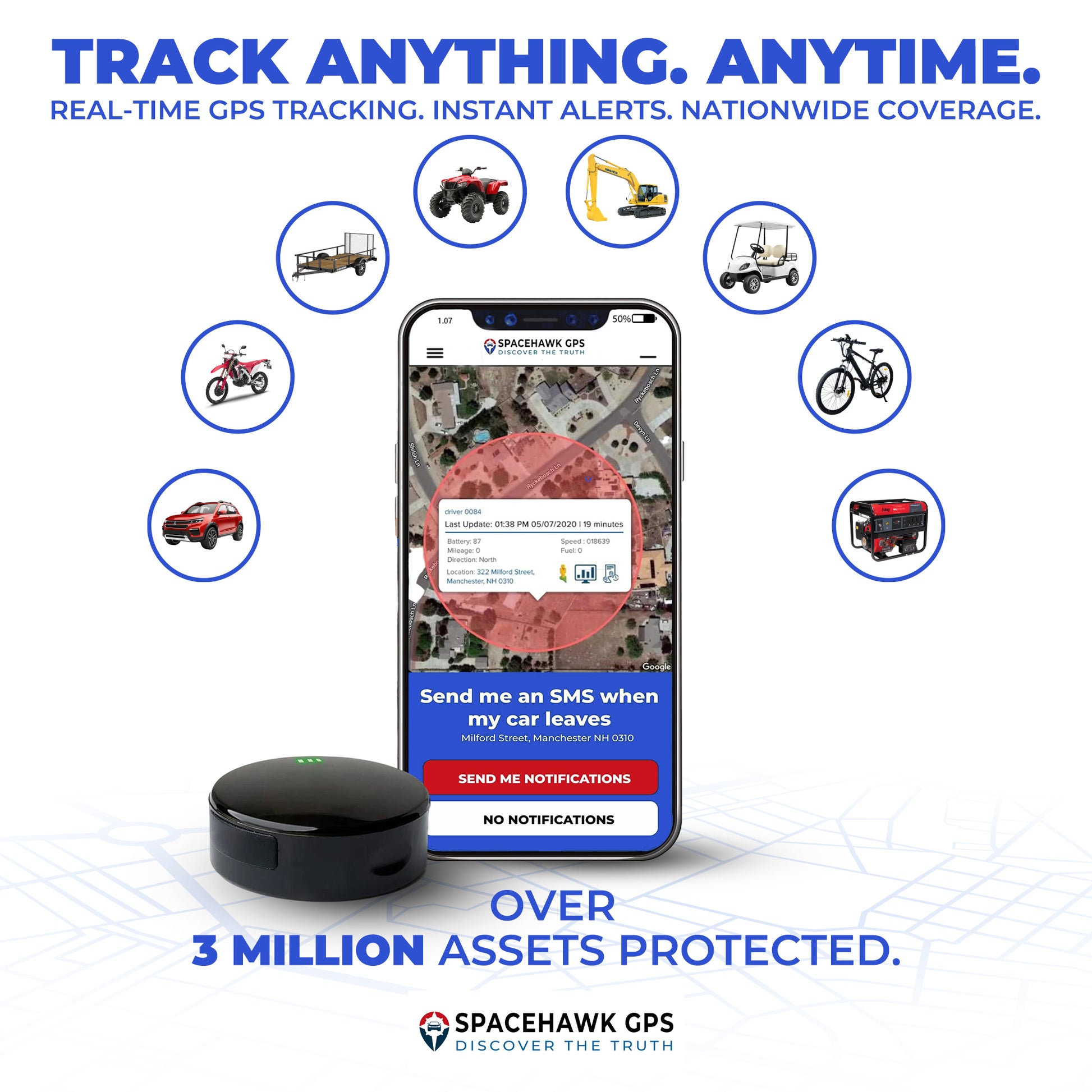
- Vehicles: A portable tracker can help locate a car, motorcycle, trailer, or recreational vehicle. Some models include movement alerts or a location history.
- Luggage and personal belongings: Trackers can help users find bags, cases, and valuable equipment. Small Bluetooth tags are often best for locating items nearby, while GPS trackers may provide location updates over longer distances.
- Work equipment: Businesses may use portable trackers to monitor tools, machinery, or other mobile assets.
- Pets: Pet trackers can show a pet’s location and may include features such as geofencing. They should be securely attached and designed for the animal’s size and activity level.
- Personal safety: Some devices include an SOS button or location sharing. These features can support a safety plan, but they should not be treated as a substitute for emergency services.
Features to Consider
Battery Life
Battery life can range from a few days to several months, depending on the device, battery size, signal conditions, and reporting frequency. Check whether the tracker uses a rechargeable or replaceable battery and how long it takes to recharge.
Coverage and Connectivity
A GPS tracker needs a way to send its location to you. Many models require cellular service and may work only in certain countries or regions. Others use Bluetooth or a dedicated network, which can have different range and coverage limits. Review the coverage map and any roaming restrictions before buying.
Location Updates
Consider how often you need location information. Real-time or frequent updates can be useful for moving vehicles, while occasional updates may be sufficient for stored equipment. Look for clear information about update intervals and whether they can be changed in the app.
Size and Durability
Choose a tracker that fits its intended use. A device carried in a bag may not need the same ruggedness as one attached to outdoor equipment. If it may be exposed to rain, dust, or impacts, check its water- and dust-resistance rating.
Alerts and App Features
Useful features may include low-battery notifications, movement alerts, location history, geofencing, and sharing access with trusted users. Review the app’s ease of use and whether a subscription is required for these functions.
GPS Trackers, Bluetooth Tags, and Other Devices
Not all location devices work the same way. A GPS tracker typically calculates its position using satellite signals and sends updates through a cellular or other network. A Bluetooth tag generally relies on a nearby phone or compatible device to report its location, so it may be more suitable for finding items within a local area or through a supported device network. Some products combine several positioning methods.
Before choosing a device, check how it reports location, how far away it can be tracked, and whether it needs a monthly service plan. Product descriptions may use the term “GPS” broadly, so the underlying technology matters.
Costs and Subscriptions
The purchase price is only one part of the total cost. A cellular tracker may require a monthly or annual subscription to transmit location data. Other possible costs include a SIM card, replacement batteries, accessories, or international service. Confirm which features remain available if a subscription expires.
Privacy and Responsible Use
Location information is sensitive. Use a tracker only in ways that comply with applicable laws and respect people’s privacy. Get consent before tracking another adult, and do not place a tracker on someone or their property without authorization. For tracking a child, employee, pet, or shared vehicle, explain how the device works and who can access its location information.
Protect your account with a strong, unique password and enable two-factor authentication if available. Review app permissions, limit location sharing to trusted people, and remove access when it is no longer needed.
Choosing the Right Portable GPS Tracker
Start by deciding what you want to track and how often you need updates. Then compare battery life, coverage, size, durability, app features, subscription costs, and privacy controls. A well-chosen tracker can make it easier to locate important belongings or monitor equipment, but its performance depends on connectivity, settings, and the environment in which it is used.
Portable GPS Tracker FAQs: Best Options, Size, Range, Monthly Fees, and Tracking Loved Ones
- Is a GPS tracker better than AirTag?
- What’s the smallest GPS tracker you can buy?
- What is the best way to track my elderly parents?
- What is the best portable tracker?
- Do all GPS trackers have a monthly fee?
- What is the best secret GPS tracker?
- How far can a mini GPS tracker work?
Is a GPS tracker better than AirTag?
A GPS tracker is usually better when you need frequent, long-distance location updates, such as tracking a vehicle or equipment, but it may require cellular coverage, charging, and a subscription. An AirTag is a better fit for finding everyday items like keys or luggage, using nearby Apple devices to update its location; it is not a GPS tracker and may not provide reliable real-time tracking in areas with few Apple devices. The right choice depends on what you’re tracking and how quickly you need its location.
What’s the smallest GPS tracker you can buy?
The smallest GPS tracker you can buy depends on what you need it to do. Some compact models are only a few centimeters across, but truly small devices often have shorter battery life and may require frequent charging or a subscription for cellular location updates. Tiny coin-shaped tags are often Bluetooth trackers rather than standalone GPS devices, so they typically rely on nearby phones or a device network to report their location. Before buying, check the tracker’s dimensions, tracking technology, battery life, coverage, and ongoing costs.
What is the best way to track my elderly parents?
The best way to track an elderly parent is to choose an option that fits their needs and preferences, such as a GPS-enabled watch, a medical alert device with location sharing, or consensual location sharing through a smartphone. Look for easy-to-use controls, reliable coverage, long battery life, and an emergency alert feature if needed. Discuss the plan with your parent, get their consent, and agree on who can see their location and when; a tracker can support safety, but it should not replace regular communication or emergency care.
What is the best portable tracker?
The best portable tracker depends on what you want to track and where you’ll use it. For vehicles or equipment that need long-distance location updates, look for a GPS tracker with reliable cellular coverage, a battery life suited to your needs, and a clear subscription plan. For keys or bags used nearby, a Bluetooth tracker may be smaller and simpler, but its location range depends on compatible devices nearby. Compare size, durability, update frequency, app features, and privacy controls, and check that the tracker works in your area before choosing.
Do all GPS trackers have a monthly fee?
No, not all GPS trackers have a monthly fee. Some use Bluetooth or other networks and don’t require a subscription, while many cellular GPS trackers charge a monthly or annual fee to transmit location updates. Before buying, check how the device sends location data, whether a SIM card or service plan is required, and which features stop working if a subscription expires.
What is the best secret GPS tracker?
There isn’t one “best” secret GPS tracker, and tracking someone without their knowledge or consent may violate privacy laws. For property you own or are authorized to monitor, choose a compact tracker with reliable coverage, suitable battery life, clear subscription costs, and secure location-sharing controls. For tracking another person, get their consent and use the device transparently.
How far can a mini GPS tracker work?
A mini GPS tracker’s operating range depends on how it sends location data. GPS satellites help the device determine its position, but a cellular or other network is usually needed to transmit that position to your phone or app. With cellular coverage and an active service plan, many trackers can report locations over long distances, even across regions, while Bluetooth-only trackers generally work only within nearby range or through a compatible device network. Check the tracker’s coverage, connectivity requirements, and subscription details, since buildings, remote areas, and weak signals can affect updates.