Best GPS Tracker for a Bicycle: What to Look For
A bicycle GPS tracker can help you locate your bike if it is stolen, keep tabs on it during a ride, or share your location with someone you trust. The best option depends on how you use your bike and what matters most: discreet installation, live tracking, long battery life, or a low purchase price.
Before choosing a tracker, it helps to understand the difference between a true GPS tracker and a Bluetooth item finder. They can both help locate a bicycle, but they work in different ways.
GPS Tracker or Bluetooth Tag?
A GPS tracker determines its location using satellite signals and typically sends that information to an app over a cellular network. Many models require a monthly or annual subscription for this service. Depending on the device, updates may be frequent while moving or less frequent to conserve battery.
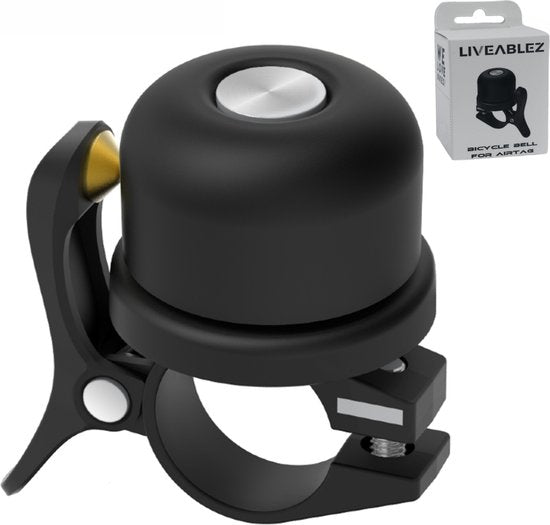
Bluetooth tags, such as Apple AirTag, are smaller and generally do not require a tracking subscription. They rely on nearby compatible phones to report their location, so they can be useful in populated areas. They are not conventional GPS trackers, and their location updates may be delayed or unavailable when few compatible devices are nearby.
For a bicycle that needs dependable remote tracking, look for a dedicated GPS tracker with cellular connectivity. For a less expensive backup, a Bluetooth tag may be worth considering—but it should not be treated as a replacement for a GPS tracker.
What Makes a Bicycle GPS Tracker a Good Choice?
- Discreet installation: A tracker hidden in a frame, seat, light, or other bike accessory may be less noticeable than one mounted openly. Check that the device is compatible with your bicycle before buying.
- Reliable location updates: Look at how often the tracker reports its position, especially while the bike is moving. Some devices offer live or near-live tracking; others update less frequently.
- Cellular coverage: Confirm which cellular networks the tracker uses and whether they cover the areas where you ride. A GPS signal can determine a location, but cellular service is usually needed to send it to your phone.
- Battery life: Battery life varies with signal strength, settings, and how often the tracker reports its location. Consider whether the device is rechargeable, replaceable, or powered by the bike.
- Alerts and app features: Useful features may include movement alerts, geofencing, location history, and the ability to share tracking access.
- Water resistance and durability: A bicycle tracker should be designed to handle rain, road spray, vibration, and everyday outdoor use. Check the manufacturer’s specifications rather than assuming every device is weatherproof.
- Ongoing cost: Add any required subscription to the purchase price. Also check what happens when a plan expires and whether the tracker can still provide any useful functions.
- Privacy and safety: Review the app’s privacy settings, account security, and location-sharing controls. Use tracking only on property you own or have permission to monitor.
Which Type of Tracker Is Best for You?
Best for Theft Recovery: A Dedicated Cellular GPS Tracker
If your main concern is finding a stolen bicycle, choose a tracker designed for vehicle or bike tracking, with movement alerts and remote location updates. A discreet mounting option can make it harder to spot, while a companion app can help you check the bike’s location. Compare subscription terms, coverage, battery life, and update frequency before deciding.
Best for a Low-Cost Backup: A Bluetooth Item Finder
A Bluetooth tag can be a convenient secondary locator for a bike that is usually parked in busy places. It is compact and may have a lower ongoing cost, but its location depends on nearby devices in its tracking network. It may not provide continuous, independent GPS tracking, especially in rural or less populated areas.
Best for Ride Tracking: A Cycling Computer or Phone App
If you want to record routes, speed, and distance while you ride, a cycling computer or smartphone app may be a better fit than an anti-theft tracker. These tools are designed for ride data and navigation. They may not continue tracking a bicycle after it is separated from the rider, so check their capabilities carefully.
How to Choose the Best GPS Tracker for Your Bicycle
- Decide what you need it to do. Theft recovery, ride recording, and sharing your location call for different features.
- Check the installation method. Make sure the tracker fits your frame or chosen accessory and can be secured properly.
- Compare coverage and update frequency. Look for service in your typical riding and parking areas, and understand how quickly the device reports movement.
- Calculate the total cost. Include the device, subscription, mounting accessories, and any replacement batteries.
- Read the limitations. GPS accuracy can be affected by buildings, tunnels, tree cover, and other obstructions. Cellular tracking can also be interrupted where network coverage is weak.
- Test the setup. Install the tracker, check the app, set up alerts, and confirm that location updates work before relying on it.
Tips to Protect Your Bike
A tracker is most useful as part of a broader theft-prevention plan. Use a high-quality lock, secure the frame to an immovable object, and park in a visible, well-lit location when possible. Record your bicycle’s serial number and keep recent photos and proof of purchase. If a tracker shows that a stolen bike is moving, share the information with law enforcement rather than confronting a suspected thief yourself.
Bottom Line
For most riders who want to locate a bicycle remotely, a dedicated GPS tracker with cellular connectivity, movement alerts, and a suitable mounting option is the strongest choice. A Bluetooth tag can serve as a lower-cost backup, but it depends on nearby devices and may not offer continuous GPS tracking. Compare coverage, battery life, installation, app features, and subscription costs to find the best tracker for your bike and riding habits.
9 Tips for Choosing the Best GPS Tracker for Your Bicycle
- Choose a tracker with reliable GPS and cellular coverage.
- Check battery life and charging frequency.
- Look for discreet, weather-resistant designs.
- Choose a secure mount that’s hard to remove.
- Compare monthly subscription and data fees.
- Check whether live tracking and alerts are included.
- Consider Bluetooth-network tracking for urban areas.
- Test location accuracy before relying on it.
- Pair the tracker with a strong bike lock.
Choose a tracker with reliable GPS and cellular coverage.
Choose a bicycle tracker with reliable GPS and cellular coverage so it can pinpoint your bike and send its location to your phone. GPS accuracy may drop in tunnels or around tall buildings, while weak cellular service can delay updates or prevent them from coming through. Before buying, check which networks the tracker uses and confirm coverage in the places where you ride and park.
Check battery life and charging frequency.
Check the tracker’s battery life and how often it needs to be charged before you buy. Frequent location updates can drain a battery faster, so consider how often you plan to ride or check your bike’s location. A longer-lasting battery means less maintenance, while a rechargeable model should be easy to access and charge. Always compare the manufacturer’s battery estimates with your intended settings and use.
Look for discreet, weather-resistant designs.
Choose a bicycle GPS tracker with a discreet, secure design that’s difficult to spot or remove. A compact tracker that fits inside the frame or blends into an accessory can be less noticeable than one mounted openly. Since bikes are exposed to rain, dust, and road spray, check the manufacturer’s water-resistance rating and make sure the device is built to handle outdoor conditions.
Choose a secure mount that’s hard to remove.
Choose a secure mount that’s hard to remove so a thief is less likely to spot and take the tracker. Look for a mount designed for your tracker and bicycle, with tamper-resistant fasteners or a discreet fit, and install it according to the manufacturer’s instructions. A secure mount can help keep the device in place during everyday rides while making it less obvious when your bike is parked.
Compare monthly subscription and data fees.
Before choosing a bicycle GPS tracker, compare its monthly subscription and data fees—not just the upfront price. Many trackers need a paid plan to send location updates over a cellular network, and costs can vary depending on the update frequency, coverage, and plan length. Check whether the subscription is billed monthly or annually, whether activation fees apply, and what features stop working if the plan expires. Comparing the total cost over a year or more can help you find a tracker that fits your budget without sacrificing the features you need.
Check whether live tracking and alerts are included.
Check whether live tracking and alerts are included before choosing a bicycle GPS tracker. Live tracking can show your bike’s location as it moves, while movement alerts can notify you if it is disturbed or taken outside a designated area. These features may depend on the tracker’s subscription plan, cellular coverage, and app settings, so confirm what’s included and how frequently the device updates its location.
Consider Bluetooth-network tracking for urban areas.
For bikes that are usually parked in busy urban areas, consider a Bluetooth-network tracker as a compact, lower-cost option. These devices use nearby compatible phones to update a tag’s location, so they may work well where many people pass by. However, they don’t provide continuous GPS tracking, and updates can be delayed or unavailable in less-populated areas. Check which phone network the tracker relies on and treat it as a helpful backup—not a substitute for a dedicated GPS tracker or a sturdy bike lock.
Test location accuracy before relying on it.
Before relying on a bicycle GPS tracker, test its location accuracy in the places where you normally ride and park. Check the app while the bike is stationary and moving, and compare the reported location with where the bike actually is. Buildings, tunnels, dense tree cover, and weak cellular service can affect updates, so confirm how the tracker performs in different conditions and learn how often it refreshes its location.
Pair the tracker with a strong bike lock.
Pairing a GPS tracker with a strong bike lock gives your bicycle an extra layer of protection. The tracker can help you locate the bike if it’s stolen, while a sturdy, properly secured lock can deter theft in the first place. Lock the frame to an immovable object, and hide or secure the tracker so it’s harder to remove.