Handheld GPS for Hunting: A Practical Guide
A handheld GPS can make hunting trips easier to plan and safer to navigate. It helps you mark useful locations, follow a route, and find your way back to camp or your vehicle—especially in unfamiliar terrain or when visibility is limited. The right device depends on where you hunt, how long you stay out, and what features you’ll actually use in the field.
Why Carry a Handheld GPS While Hunting?
Hunting areas can look very different after dark, in bad weather, or from another direction. A handheld GPS records your position and helps you navigate without relying on familiar landmarks. Common uses include:
- Marking waypoints: Save the location of your vehicle, camp, trail junctions, stands, blinds, or other points of interest.
- Recording tracks: Keep a digital record of where you’ve walked so you can retrace your route.
- Planning routes: Create a route between waypoints and check your position along the way.
- Exploring new areas: Use compatible maps to understand trails, terrain, property boundaries, and access points.
A GPS is a navigation aid, not a substitute for preparation. Carry a paper map and compass as backups, and know how to use them before heading out.
Features to Look for in a Hunting GPS
Reliable Reception
Satellite reception can vary under thick forest cover, in deep canyons, or near steep terrain. Look for a device designed for outdoor use and check which satellite systems it supports. Even with a capable receiver, it’s wise to allow the device time to establish a position and to keep it where it has a clear view of the sky when possible.
Maps That Match Your Hunting Area
Some handheld GPS units include basic maps, while others support downloadable topographic or other detailed maps. Before buying, confirm that the maps cover your intended area and that you understand any costs, subscriptions, or storage requirements. For hunting on public or private land, verify boundaries and access rules with current official sources. Mapping data can be incomplete or out of date.
Waypoint and Track Tools
Simple waypoint and track functions are among the most useful features in the field. Check that it’s easy to save a location quickly, review your track, and navigate back to a saved point. If you plan to share data, look for convenient ways to transfer routes and waypoints to a computer or compatible app.
Battery Life and Power Options
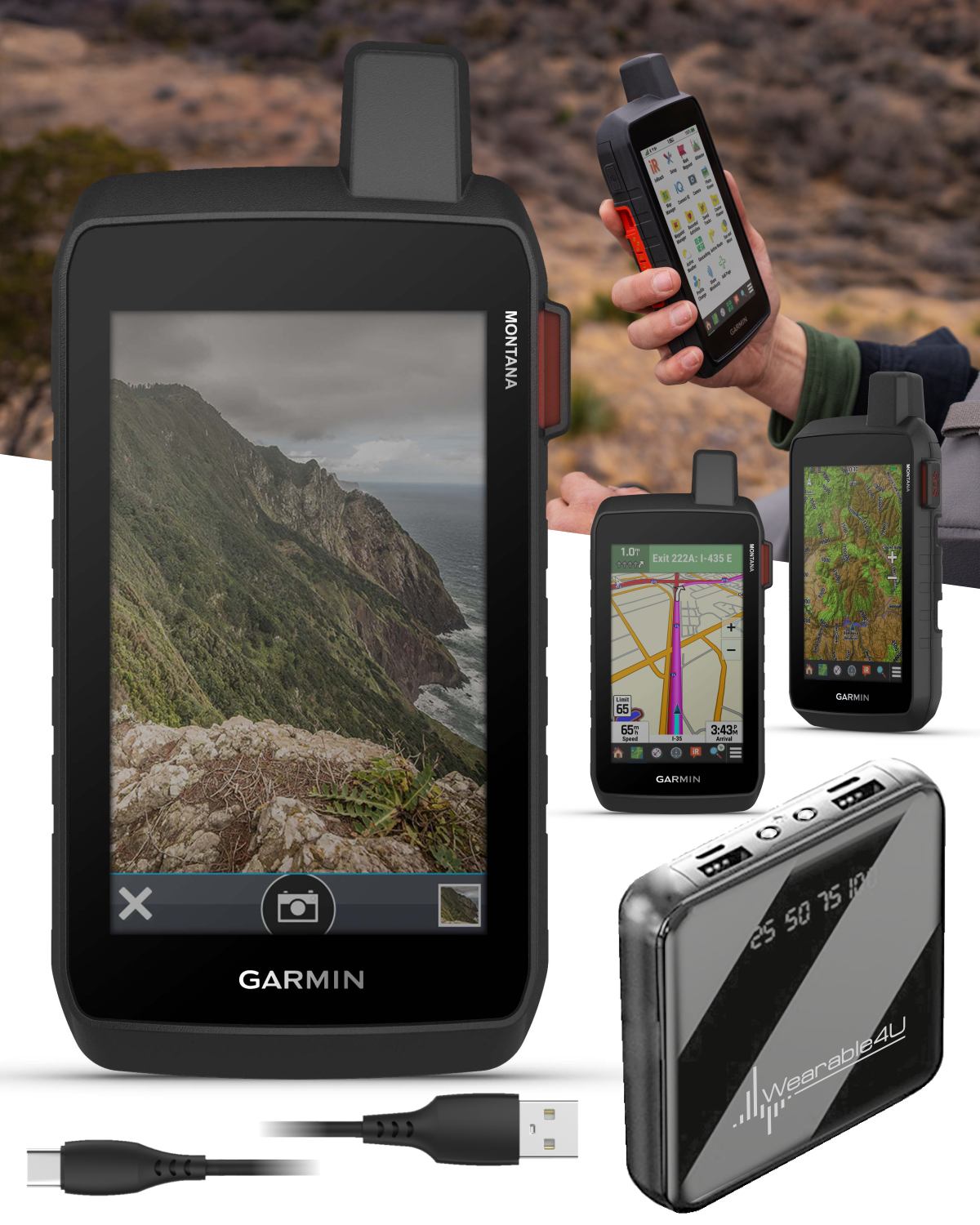
Cold temperatures, bright screens, frequent location updates, and wireless features can reduce battery life. Check the manufacturer’s estimated runtime and consider whether the device uses replaceable batteries or a rechargeable battery. Bring spares or a power bank when appropriate, and keep backup power warm and dry.
Durability and Ease of Use
A hunting GPS should be comfortable to operate with gloves and sturdy enough for outdoor conditions. Consider screen visibility in sunlight, button placement, water resistance, weight, and how easily the device can be attached to a pack. A complicated unit may be less useful if you can’t operate it quickly when conditions change.
Satellite Communication
Some devices can send messages or an emergency SOS through satellite networks, usually with a service plan and clear limitations. This is different from ordinary GPS navigation: GPS determines your location, while a satellite communicator may transmit messages. Check coverage, subscription terms, emergency procedures, and device requirements before relying on one.
How to Use a GPS Effectively in the Field
- Set it up before the trip. Install any needed maps, charge the device, review settings, and learn the basic controls at home.
- Save key locations. Mark your starting point and other useful places, using names that are clear and easy to recognize.
- Record your track. Start tracking when you leave and check periodically that the device is working as expected.
- Check your position thoughtfully. Give the receiver time to update and compare the display with terrain and landmarks around you.
- Protect the device. Use a case or lanyard, keep it accessible, and protect it from moisture and impact.
- Practice returning. Learn how to navigate to a saved waypoint before you need to do it in darkness or poor weather.
Handheld GPS vs. Smartphone Navigation
A smartphone may be convenient for maps and route planning, but its battery, screen, and durability may be less suited to a long day outdoors. A dedicated handheld GPS is generally designed for field use and may offer physical buttons, longer battery options, or more rugged construction. However, neither device should be your only navigation tool. Phones and GPS units can both lose power, be damaged, or provide inaccurate information.
Safety and Responsible Use
Before a hunt, check local regulations, access permissions, weather, and any restrictions on electronic devices. GPS coordinates and property-boundary maps should be treated as helpful references, not definitive legal records. Confirm boundaries with authoritative sources and respect posted signs and landowner permissions.
Tell someone where you plan to go and when you expect to return. Carry essential supplies, a map and compass, and enough power for your devices. Remember that a handheld GPS can help with navigation, but it cannot guarantee safe travel or summon help unless it has a separate communication feature and an active service.
Choosing the Right Hunting GPS
For occasional day trips, a straightforward unit with dependable waypoint, track, and map functions may be sufficient. Hunters who spend extended time in remote areas may prioritize longer battery life, detailed downloadable maps, a rugged design, or satellite messaging. Compare devices based on the places and conditions where you hunt—not just the number of features listed on the box.
With a little preparation and a backup navigation plan, a handheld GPS can be a valuable tool for finding your way around hunting country and returning with greater confidence.
Handheld GPS for Hunting: 8 FAQs About Top Devices, Accuracy, Subscriptions, and Value
- What is the best GPS tracker for hunters?
- What is the best GPS device for hunting?
- Do you need a subscription for handheld GPS?
- Which handheld GPS is the most accurate?
- What is the best handheld GPS device?
- Does Garmin GPS work without cell service?
- What is the best handheld GPS for hunters?
- Is a handheld GPS worth getting?
What is the best GPS tracker for hunters?
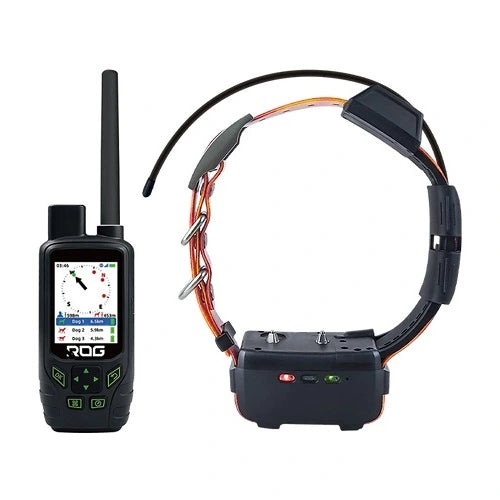
The best GPS tracker for hunters depends on where and how you hunt, but look for a rugged, water-resistant device with reliable satellite reception, long battery life, easy-to-use waypoint and track recording, and maps that cover your hunting area. If you need to share your location or send messages from remote areas, choose a model with satellite communication and check its coverage and subscription requirements. Before buying, confirm map details and local property boundaries with reliable sources, and carry a map and compass as backups—no GPS device should be your only navigation tool.
What is the best GPS device for hunting?
The best GPS device for hunting depends on your terrain, trip length, and navigation needs. Look for a rugged handheld unit with reliable satellite reception, easy-to-use waypoint and track recording, maps that cover your hunting area, and battery life suited to your outings. If you hunt in remote locations, satellite messaging or an emergency SOS feature may be worth considering, though these often require a subscription. Compare available maps and service plans, and choose a device you can operate confidently with gloves. Whatever you buy, carry a map and compass as backup and verify land boundaries with current official sources.
Do you need a subscription for handheld GPS?
Most handheld GPS units do not require a subscription for basic navigation, such as showing your location, saving waypoints, and recording tracks. However, you may need to pay separately for detailed maps, premium mapping services, or satellite messaging and emergency SOS features. Subscription requirements vary by device, so check what’s included and whether ongoing fees apply before you buy.
Which handheld GPS is the most accurate?
The most accurate handheld GPS for hunting is typically one that supports multiple satellite systems and, when available, multi-band GNSS, which can improve positioning in challenging conditions. In open terrain, many modern units can locate you within a few meters, but accuracy may decrease under dense tree cover, in canyons, or near steep hills. Compare real-world reviews and check that the device supports the maps and features you need; remember that map or property-boundary accuracy is separate from GPS location accuracy.
What is the best handheld GPS device?
The best handheld GPS device for hunting depends on your terrain, trip length, and budget. Look for reliable satellite reception, maps that cover your hunting area, easy-to-use waypoint and track features, long battery life, and a rugged, weather-resistant design. If you hunt in remote areas, satellite messaging or an SOS feature may also be useful, though these typically require a subscription. Compare current models and confirm map coverage and service requirements before choosing, and always carry a map and compass as backup.
Does Garmin GPS work without cell service?
Yes. Garmin handheld GPS devices can determine your location using satellite signals, so they generally work without cell service. However, maps, satellite messaging, weather updates, and other connected features may require downloaded data, a compatible device, or an active subscription. For hunting, download the maps you need before your trip, check that they cover your area, and carry a map and compass as backups.
What is the best handheld GPS for hunters?
The best handheld GPS for hunters is one that fits your terrain, trip length, and budget. Look for reliable satellite reception, easy-to-use waypoint and track recording, maps that cover your hunting area, long battery life, and a rugged, water-resistant design. If you hunt in remote areas, satellite messaging may be useful, but it typically requires a service plan. Compare current models and verify map coverage and features before buying, and always carry a map and compass as backups.
Is a handheld GPS worth getting?
A handheld GPS can be worth getting if you hunt in unfamiliar, remote, or heavily wooded areas, where it can help you mark your vehicle, camp, and other key locations, record your route, and navigate back. It’s especially useful when phone reception is unreliable, though you’ll still need to manage battery life and learn the device before relying on it. For safety, carry a map and compass as backups, and don’t treat GPS maps as the final authority on property boundaries.