Best GPS Units: Top Picks for Driving, Hiking, and More
The best GPS unit depends on where you plan to use it. A driver may want clear turn-by-turn directions and live traffic, while a hiker may prioritize long battery life, detailed trail maps, and emergency communication. A dedicated GPS can also be a useful alternative to a phone when you need a larger display, physical controls, or dependable navigation beyond cellular coverage.
Below are several standout GPS units for different needs, along with the features to consider before choosing one. Features, map coverage, and availability can vary by model and region, so check the manufacturer’s current specifications before buying.
Best GPS Units at a Glance
- Best for everyday driving: Garmin DriveSmart 66
- Best value for basic car navigation: Garmin Drive 53
- Best for RV travel: Garmin RV 1095
- Best for motorcycle touring: Garmin zūmo XT2
- Best for backcountry hiking with satellite messaging: Garmin GPSMAP 67i
- Best for straightforward hiking navigation: Garmin eTrex SE
Best GPS for Everyday Driving: Garmin DriveSmart 66
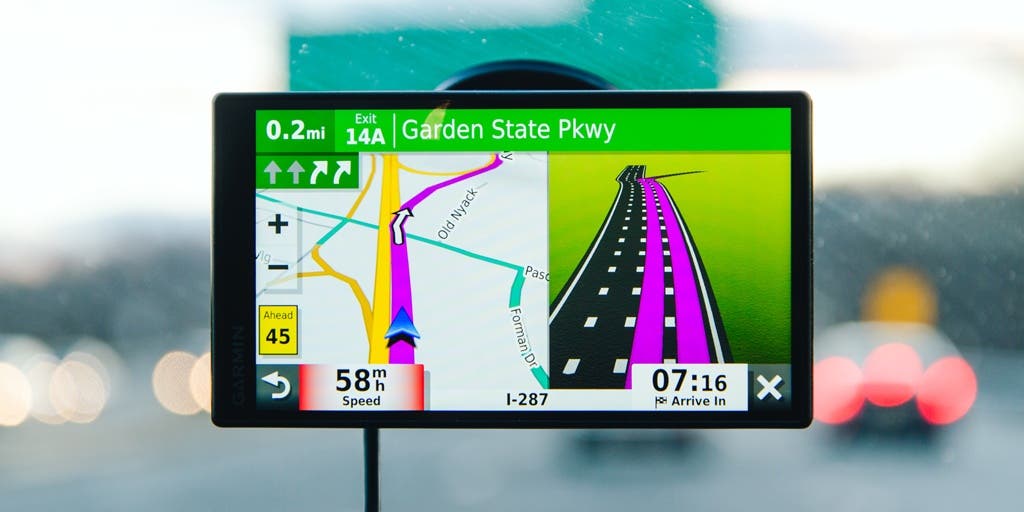
The Garmin DriveSmart 66 is a strong choice for drivers who want a dedicated navigation screen without relying entirely on a smartphone. Its 6-inch display provides plenty of room to view turns and route guidance, and its connected features can provide useful travel information when paired with a compatible phone or service.
This type of unit works well for commuting, road trips, and navigating unfamiliar areas. Before purchasing, check which traffic, voice-assistant, and smartphone features are supported in your region and whether they require a phone connection.
Best Value for Basic Car Navigation: Garmin Drive 53
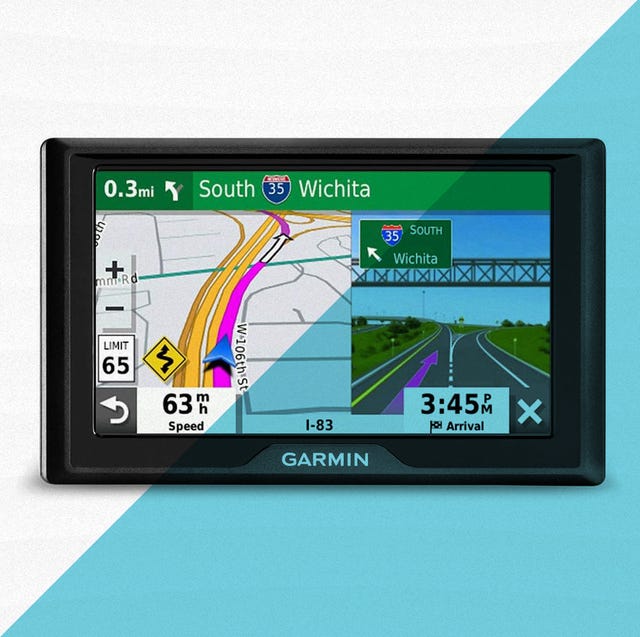
The Garmin Drive 53 is worth considering if you want a simpler, dedicated GPS for everyday driving. It focuses on core navigation features, making it a practical option for drivers who prefer a separate device over phone-based directions.
A straightforward car GPS can be especially helpful if you want navigation to remain visible while your phone is used for calls or music. Compare screen size, map updates, traffic features, and mount options to make sure the unit fits your vehicle and driving habits.
Best GPS for RV Travel: Garmin RV 1095
RV drivers often need more than a standard car route. A large-screen RV navigator such as the Garmin RV 1095 is designed for vehicle-specific routing, which can help account for details such as vehicle dimensions and road restrictions when those details are entered correctly.
Before relying on any RV GPS, enter your vehicle’s height, weight, and other relevant measurements accurately. GPS routing is a useful planning tool, but it should not replace posted signs, road restrictions, or careful judgment—especially on narrow roads or near bridges.
Best GPS for Motorcycle Touring: Garmin zūmo XT2
The Garmin zūmo XT2 is designed for motorcycle use, with features intended for riding conditions and route planning. A motorcycle-specific GPS may offer a screen and controls suited to use with riding gear, along with mounting options designed for a bike.
When comparing motorcycle GPS units, look for a weather-resistant design, a secure handlebar mount, a screen that is easy to read in sunlight, and controls that work with your gloves. Check compatibility with your motorcycle and accessories before ordering.
Best GPS for Backcountry Hiking and Satellite Messaging: Garmin GPSMAP 67i
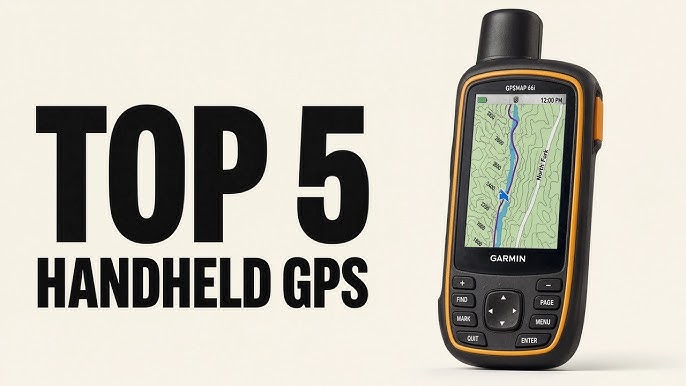
The Garmin GPSMAP 67i is a handheld navigation device aimed at hikers and outdoor travelers who may venture beyond cell coverage. In addition to GPS navigation, it supports satellite communication through the inReach service, which can provide messaging and SOS capabilities with an active subscription and a clear view of the sky.
This combination can be valuable for remote trips, but satellite messaging is not a substitute for preparation. Learn how the service works, review subscription terms, and carry appropriate maps, supplies, and emergency plans.
Best Simple Hiking GPS: Garmin eTrex SE
The Garmin eTrex SE is a compact option for hikers who want a dedicated handheld GPS for basic outdoor navigation. Its smaller design makes it easy to pack, and a dedicated device can be useful when you want to preserve your phone’s battery or navigate in areas with limited cell service.
For longer trips, consider battery life, replacement-battery availability, map support, and how easy it is to operate the unit outdoors. A GPS receiver can show your position without cellular service, but downloading or loading the maps you need before leaving is still important.
How to Choose the Best GPS Unit
Match the device to your activity
Car GPS units, motorcycle navigators, RV devices, and handheld hiking GPS units are built for different situations. Choose a model designed for your primary activity rather than paying for features you are unlikely to use.
Check map coverage and updates
Confirm that the unit includes maps for the places you travel and find out how map updates are delivered. If you plan to travel internationally or use detailed trail maps, verify coverage before buying.
Consider screen size and visibility
A larger screen can make directions easier to read in a vehicle, while a compact handheld model may be more convenient on a trail. Brightness, glare resistance, and button placement can matter as much as screen size.
Understand connectivity and subscriptions
Some GPS units receive traffic or other connected services through a smartphone, while satellite communicators may require a separate subscription. Check what works without a phone, what works offline, and which features involve recurring fees.
Think about power and mounting
For vehicle use, make sure the mount and power cable suit your car, RV, or motorcycle. For outdoor use, compare battery life and charging options, and consider bringing spare batteries or a power bank on longer trips.
GPS Unit or Smartphone Navigation?
Phone apps are convenient and often provide excellent live traffic information. A dedicated GPS unit, however, can offer a larger always-on display, a vehicle-specific mount, physical controls, or specialized outdoor and satellite features. Many travelers use both: a phone for connected services and a GPS unit as a dedicated navigation backup.
Final Thoughts
The best GPS unit is the one that suits your route, vehicle, and travel style. For everyday driving, consider a dedicated car navigator; for RVs and motorcycles, look for vehicle-specific features; and for hiking, focus on battery life, map support, durability, and communication needs. Compare current specifications and service requirements before choosing a model.
Top 5 Tips for Choosing the Best GPS Unit for Your Needs
- Choose a GPS unit with clear, sunlight-readable maps.
- Look for frequent map updates and lifetime updates.
- Pick a model with reliable traffic alerts.
- Check battery life and mounting options before buying.
- Match the unit’s features to your vehicle and routes.
Choose a GPS unit with clear, sunlight-readable maps.
Choose a GPS unit with clear, sunlight-readable maps so you can check directions quickly without squinting or struggling with glare. A bright display, good contrast, and an anti-glare screen can make a big difference in a car, on a motorcycle, or out on the trail. If possible, compare the screen outdoors or in bright light before buying, and check that map labels and route guidance are easy to read at a glance.
Look for frequent map updates and lifetime updates.
When choosing a GPS unit, look for frequent map updates so routes, roads, and points of interest stay current. Some models include lifetime map updates, which can save money over time, but check the terms carefully: “lifetime” may refer to the device’s useful life and updates may require a computer, Wi-Fi connection, or account.
Pick a model with reliable traffic alerts.
Choose a GPS unit with reliable, up-to-date traffic alerts to help you avoid congestion, road closures, and unexpected delays. Check how the device receives traffic data—through a built-in receiver, Wi-Fi, or a paired smartphone—and whether the service works in the areas where you drive. A dependable alert system can make route adjustments easier, but always follow road signs and use safe driving practices.
Check battery life and mounting options before buying.
Before buying a GPS unit, check how long its battery lasts and how it can be mounted. Longer battery life is important for hiking or extended trips away from a power source, while a reliable mount keeps the screen secure and easy to see in a car, RV, or motorcycle. Make sure the mounting system is compatible with your vehicle and that the unit can be charged conveniently during use.
Match the unit’s features to your vehicle and routes.
Match a GPS unit’s features to your vehicle and the routes you travel most. Drivers of cars may value clear turn-by-turn directions and traffic updates, while RV owners should look for routing that accounts for vehicle size and road restrictions. If you ride a motorcycle, prioritize a weather-resistant design, a secure mount, and a screen that’s easy to read in sunlight. Choosing features that fit your needs can make navigation more useful and help you avoid paying for options you won’t use.