Best Handheld GPS Units for Hiking, Camping, and Outdoor Adventures
A handheld GPS can help you find your way when trails are unfamiliar, cell service is unreliable, or a phone battery is running low. The best unit for you depends on how you travel: a lightweight receiver may be ideal for day hikes, while a rugged model with detailed maps and satellite messaging can offer more support on remote trips.
Below are several types of handheld GPS units worth considering, along with the features that matter most when comparing them. Product availability and specifications can change, so check the manufacturer’s current details before buying.
Best Handheld GPS Units to Consider
Garmin GPSMAP 67i: Best for Remote Adventures
The GPSMAP 67i combines GPS navigation with inReach satellite communication. In addition to tracking your position and following routes, it can send and receive messages and provide an SOS function through a satellite subscription. That makes it a compelling option for backcountry trips where cell service may be absent.
Its larger feature set comes with a higher price and more menus to learn. Consider it if you regularly travel far from roads or want communication features built into your navigation device. Satellite messaging and emergency features require compatible service and an active subscription.
Garmin GPSMAP 67: Best for Detailed Navigation
The GPSMAP 67 is a strong choice for hikers and outdoor travelers who want a rugged GPS receiver with mapping and navigation tools but do not need built-in satellite messaging. It is designed for longer outings and can record tracks, save waypoints, and help you follow planned routes.
Choose this type of device if you want more mapping capability than a basic GPS unit offers. Before heading out, confirm which maps are included and whether you need to download or purchase additional coverage.
Garmin eTrex SE: Best Lightweight Option
A compact unit such as the eTrex SE may suit casual hikers, campers, and travelers who want straightforward location and route guidance. Its smaller size makes it easy to carry, and its simpler design can be less intimidating than a feature-heavy mapping device.
Compact models may have smaller screens and fewer advanced navigation tools. They are best for people who value portability and basic GPS functions over a large display or extensive onboard maps.
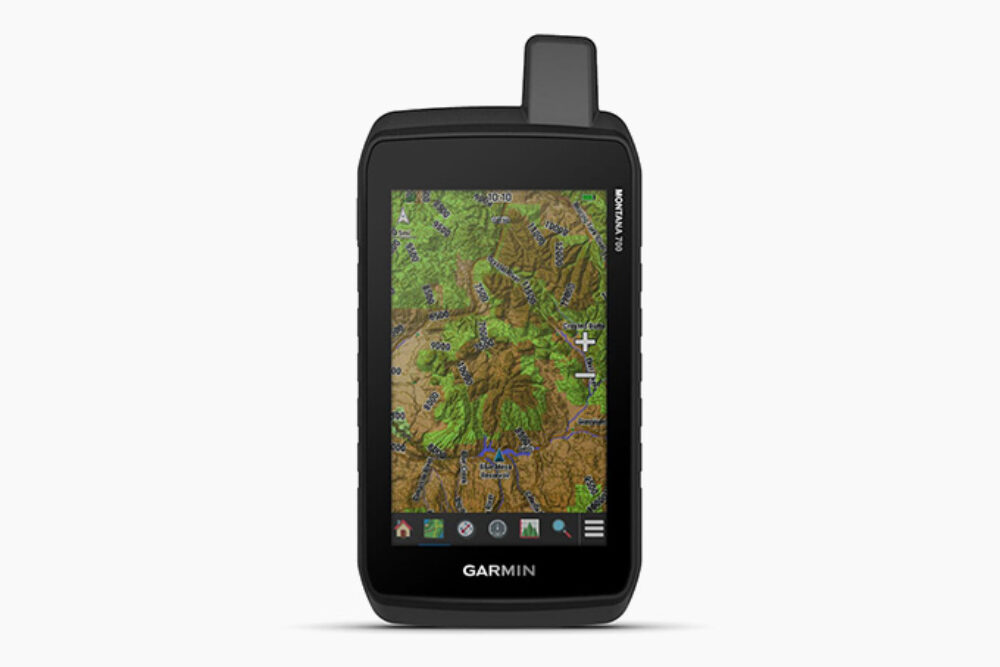
Garmin Montana Series: Best for a Large Screen
Montana-series devices are designed for users who prefer a larger touchscreen for viewing maps and navigating. A bigger display can be useful on a vehicle mount, at camp, or when reading a route at a glance. Some versions also offer inReach satellite communication.
The trade-offs are size, weight, and cost. Check the exact model’s communication capabilities, map support, battery options, and mounting accessories before choosing one.
What to Look for in a Handheld GPS
- Battery life: Compare the manufacturer’s estimates and consider how you will power the device on a long trip. Cold temperatures, frequent screen use, and satellite communication can affect battery life.
- Power options: Some units use replaceable batteries, while others have rechargeable batteries. Replaceable batteries can be convenient in the backcountry; rechargeable models may be easier to manage for everyday use.
- Maps: Check whether topographic maps are included, what areas they cover, and whether you can add your own maps. Download maps before traveling somewhere with limited connectivity.
- Satellite reception: GPS performance depends on having a clear view of the sky. Dense tree cover, steep terrain, and buildings can affect signal reception.
- Durability and water resistance: Look for a device built to handle the conditions you expect, including rain, dust, and rough handling. Review the specific model’s rating rather than assuming all handheld units are equally rugged.
- Screen and controls: A touchscreen can make map use intuitive, while physical buttons may be easier to operate with gloves or in wet conditions. Screen size also affects how much detail you can see.
- Satellite communication: If you need to send messages or request help beyond cell coverage, confirm that the device supports satellite service and understand the subscription requirements.
- Weight and size: A larger unit may offer a clearer screen and more features, but a lightweight receiver is easier to carry on long hikes.
Handheld GPS vs. a Smartphone
A smartphone can be an excellent navigation tool, especially when paired with offline maps. It is familiar, versatile, and often has a large, bright screen. However, phones can be vulnerable to drops, water, cold, and battery drain. They also may not provide satellite communication without a compatible service or separate device.
A dedicated handheld GPS is generally designed for outdoor use and can offer physical controls, longer battery options, and specialized navigation features. Many travelers bring both: a phone for convenience and a GPS unit as a durable backup. Neither replaces basic navigation skills, a paper map, and a compass in demanding terrain.
How to Choose the Right Unit
Start by thinking about where and how often you travel. For day hikes on established trails, a lightweight GPS with basic route and waypoint features may be enough. For multi-day backpacking trips, prioritize battery flexibility, detailed maps, and a rugged design. For remote travel, consider a model with satellite messaging and emergency communication.
Before leaving, learn how to use the unit, install the maps you need, save important waypoints, and test your planned route. Carry backup power and keep essential navigation information available offline. A GPS is a helpful tool, but it works best as part of a broader safety plan.
Final Thoughts
The best handheld GPS is the one that suits your routes, experience, and comfort level. The Garmin GPSMAP 67i stands out for combining navigation with satellite communication, while the GPSMAP 67 offers a mapping-focused option without built-in messaging. A compact eTrex-style unit may be a better fit for simpler trips, and the Montana series is worth considering if a larger screen is a priority.
Compare current features carefully, especially map coverage, battery options, and subscription requirements. With the right device—and a little practice before your trip—you can navigate more confidently on the trail and beyond.
Best Handheld GPS Units: 5 Frequently Asked Questions
- What is the best handheld GPS unit for hiking?
- Are handheld GPS units more reliable than smartphone navigation?
- What features should I look for in a handheld GPS?
- Do handheld GPS units work without cell service?
- How long do handheld GPS batteries typically last?
What is the best handheld GPS unit for hiking?
The best handheld GPS for hiking depends on your route and the features you need. For detailed maps, rugged construction, and long outings, the Garmin GPSMAP 67 is a strong choice; hikers who also want satellite messaging and SOS capability can consider the GPSMAP 67i, which requires a compatible subscription for those services. For shorter, less demanding hikes, a simpler, lighter unit may be easier to carry. Before buying, compare battery options, map coverage, screen and button controls, and practice using the device before heading out.
Are handheld GPS units more reliable than smartphone navigation?
Handheld GPS units can be more reliable than smartphone navigation in rugged outdoor conditions because many are built to withstand rough handling and weather, offer physical buttons, and support replaceable batteries. They can also work with downloaded maps without cellular service. However, reliability depends on the device, terrain, battery level, and satellite visibility; steep canyons or dense forests can affect reception. Smartphones can be just as useful when maps are downloaded in advance, but they may be more vulnerable to damage and battery drain. For remote trips, consider carrying a dedicated GPS alongside a phone, plus backup power and a paper map and compass.
What features should I look for in a handheld GPS?
When choosing a handheld GPS, look for reliable satellite reception, long battery life, and maps that cover the areas where you plan to travel. A rugged, water-resistant design is useful outdoors, while a clear screen and controls you can operate with gloves make navigation easier. Also consider the unit’s weight, storage for routes and waypoints, and power options such as rechargeable or replaceable batteries. If you’ll be traveling beyond cell service, satellite messaging and SOS features may be important; check whether they require a separate subscription.
Do handheld GPS units work without cell service?
Yes, handheld GPS units can work without cell service. They receive location signals from GPS and other satellite navigation systems, so they can show your position and help you follow a route even where phone coverage is unavailable. For navigation, make sure the unit has the maps or routes you need downloaded or saved in advance, since some features may require an internet connection. Satellite messaging and SOS functions are separate features and may require a compatible device and an active subscription.
How long do handheld GPS batteries typically last?
Handheld GPS battery life varies by model, battery type, settings, and conditions. Many units run for roughly 16 to 36 hours on a charge or set of batteries, while some can last longer in power-saving modes. Frequent map use, a bright screen, cold weather, and satellite messaging can shorten runtime. Check the manufacturer’s estimate for the specific model, and bring spare batteries or a power bank for longer trips.